
Step-by-Step: How to Become a Part-Time Travel Agent While Working Full Time
Ever daydreamed about turning your love of travel into cold, hard cash—without ditching your day job? You're not alone! Thousands of people are discovering that becoming a part-time travel agent offers the perfect blend of passion and paycheck, flexibility and financial freedom. And here's the best part: you don't need years of experience, a fancy degree, or even a big upfront investment to get started!
This isn't just another "maybe someday" side hustle. The travel industry is booming—growing at a 15.6% compound annual growth rate through 2033—and there's never been a better time to grab your slice of the pie! Whether you're a healthcare worker looking for flexibility, a corporate professional craving more autonomy, or simply someone who lights up when planning trips, this guide will walk you through every single step to launch your part-time travel business while keeping your full-time income secure!
Ready to transform those lunch-break vacation daydreams into a legitimate business? Let's make it happen!
Consider joining us here at MainStreet Travel, we offer a $99 Starter Membership and a $199 Travel Plus Membership, both one-time fees! We have great training and no minimum booking requirements! Start working from home today!

Why Part-Time Travel Agents Are Thriving Right Now
The landscape has completely shifted. Today's travelers crave personalized experiences that cookie-cutter booking sites just can't deliver. They're overwhelmed by options and hungry for expert guidance—which is exactly where you come in! As a part-time travel agent, you'll offer something Expedia never can: human connection, insider knowledge, and that "I've-got-your-back" feeling when travel plans go sideways!
Here's what makes this opportunity so incredible:
Flexibility That Actually Works: Schedule client calls during your lunch break, research destinations on Sunday mornings, and build itineraries after the kids go to bed. You're in control.
Low Startup Costs: Forget the $50,000 franchise fees. Most people launch their part-time travel business for under $2,000—sometimes even less.
Unlimited Earning Potential: New part-time agents typically earn $3,000-$10,000 in their first year, but dedicated agents scale to $40,000-$80,000+ within 2-3 years—all while keeping their day job.
Travel Perks You'll Actually Use: Think heavily discounted FAM trips, supplier perks, and the ability to earn commissions on your own vacations.
The best part? You can start small, test the waters, and transition to full-time only if and when you're ready. No pressure, just possibilities!

Understanding the Two Main Paths: Host Agency vs. Independent
Before you dive in, you need to understand your options. Think of this as choosing between joining an established gym with all the equipment (host agency) or building your own home gym from scratch (independent agency). Both work, but one is way easier when you're starting out.
The Host Agency Route (Recommended for Beginners!)
A host agency is like your business mentor, supplier connection, and support system rolled into one. You operate under their established credentials (IATA, ARC, CLIA) while building your own brand and client base.
What You Get:
Instant access to 450+ suppliers and preferred rates
Commission splits typically ranging from 70/30 to 90/10 (you keep 70-90%)
Training programs, booking tools, and CRM systems
Legal compliance handled (E&O insurance, Seller of Travel licenses)
Monthly fees ranging from $29-$100 instead of tens of thousands upfront
Best For: New agents, part-timers, anyone who wants support while learning
Top Host Agencies for New Agents:
MainStreet Travel Agency (small one-time upfront fees, extensive training)
Yeti Travel Agency (amazing training, no minimum booking amounts)
The Independent Route
Going solo means 100% commission but also 100% responsibility. You'll need your own IATA accreditation ($3,000-$5,000), Seller of Travel licenses, E&O insurance, booking systems, and supplier relationships.
Best For: Experienced agents with established client bases and $10,000-$40,000+ to invest
For part-timers juggling a full-time job? Host agency all the way!

Step 1: Choose Your Niche (Before You Do Anything Else!)
Here's where most new agents mess up—they try to be everything to everyone and end up being nothing to no one. Your niche is your superpower! It helps you stand out, charge higher fees, and become the go-to expert clients actually want to book with.
High-Demand Niches for 2026
Luxury Travel: High commissions (12-20%), affluent clients, higher planning fees ($500-$1,000+)
Disney & Theme Parks: Repeat clients, family-focused, strong community support
Destination Weddings: Emotional purchases, group bookings, high value per transaction
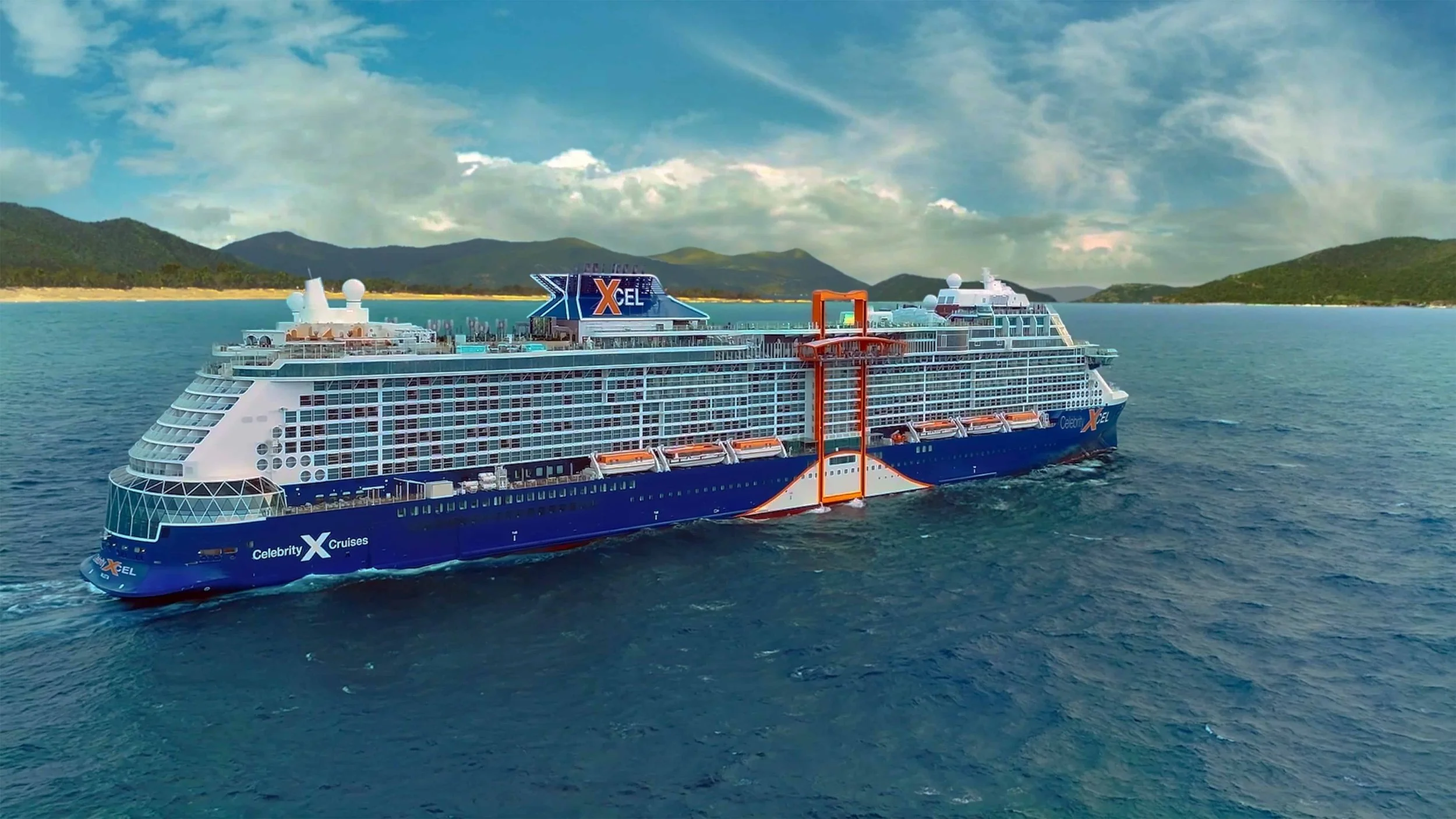
Cruises: Commissions of 10-16%, loyal repeat clients, extensive FAM opportunities
All-Inclusive Resorts: Simpler planning, good commissions, popular with families
Wellness & Yoga Retreats: Growing 12% annually, premium pricing
Adventure Travel: Rock climbing, safaris, hiking—active travelers spend big
Multi-Generational Family Travel: Complex logistics = higher planning fees
LGBTQ+ Travel: Underserved market, loyal community
Pet-Friendly Travel: Millennials treat pets like family—capitalize on it!
How to Choose YOUR Niche
Ask yourself:
What destinations or travel styles genuinely excite me?
What trips have I personally experienced and loved?
Do I have connections to certain communities (military, corporate, religious)?
What do my friends constantly ask me to help them plan?
Your niche can (and probably will) evolve, but pick one to start. You can always expand later!

Step 2: Research and Select Your Host Agency
Not all host agencies are created equal. Some are perfect for cruise specialists, others excel at luxury travel or destination weddings. Take your time with this decision—it's foundational!
Questions to Ask Before Joining
Commission Structure: What's the split? When does it increase? What's the average yield?
Startup Costs: Monthly fees? Annual dues? One-time setup costs?
Training Quality: Self-paced or live? Ongoing or one-time? Niche-specific?
Supplier Access: How many preferred partners? What commission tiers?
Technology Included: CRM? Booking engine? Website builder? Invoicing?
Support Level: Business development managers? 24/7 help? Peer community?
Marketing Resources: Templates? Social media content? Co-op advertising?
Red Flags to Watch For
Agencies requiring you to recruit others (MLM structure)
Vague commission structures or hidden fees
No training or support after onboarding
Poor reviews from current/former agents
Pushy sales tactics or unrealistic income promises
Pro Tip: Check Host Agency Reviews website for unbiased comparisons and actual agent testimonials.

Step 3: Complete Training and Certification
Good news: you don't need certifications to start booking travel! However, training builds confidence, credibility, and client trust. Most host agencies include training in your membership, but you can pursue additional certifications as you grow.
Entry-Level Training Options
Host Agency Training (Included in membership):
Time to Complete: 4-6 weeks at your own pace
Cost: Included in monthly fees
Best For: Getting started quickly while working full-time
Travel Agent Proficiency (TAP) Test:
Time to Complete: 3-6 months
Cost: $90-$450 for course + exam
Best For: Building credibility without industry experience
Certified Travel Associate (CTA):
Requirements: 12 months industry experience + exam
Time to Complete: 3-12 months
Cost: $450 for complete online course
Best For: Establishing professional credentials
Supplier-Specific Certifications
CLIA Cruise Certifications:
Accredited Cruise Counselor (ACC): Requires 2 personal cruises, 5 ship inspections, 25 staterooms sold
Master Cruise Counselor (MCC): 3 cruises, 10 inspections, 100 staterooms
Cost: $59-$89 + cruise/inspection expenses
Disney College of Knowledge: Free online training for Disney specialists
Destination-Specific Programs: Many tourism boards offer free certification programs
Training Timeline for Part-Timers
Month 1-2: Complete host agency's core training (evenings/weekends, 5-10 hours weekly)
Month 3-4: Start booking friends/family while continuing education
Month 5-6: Pursue TAP or niche-specific certifications
Month 12+: Consider CTA certification to boost credibility
Remember: you can start booking while learning! Most host agencies let you take client bookings immediately after basic training.

Step 4: Set Up Your Business Infrastructure
Time to make it official! This step is crucial for protecting yourself legally and looking professional to clients.
Business Structure Decision
Sole Proprietorship:
Easiest to set up (just start operating)
No separation between personal/business finances
Personal liability for business debts
Cost: $50-$150 for DBA filing
Best For: Testing the waters in your first year
LLC (Limited Liability Company):
Protects personal assets from business liability
More professional appearance
Pass-through taxation (no double taxation)
Cost: $150-$800 to set up + annual fees
Best For: Anyone serious about building a long-term business
Pro Tip: Most part-time agents start as sole proprietors and form an LLC once they're earning $10,000+ annually.
Essential Business Setup Steps
1. Register Your Business Name:
File DBA (Doing Business As) with your county recorder
Ensure name isn't already trademarked
Consider domain availability for website
Cost: $50-$200
2. Obtain EIN (Employer Identification Number):
Free from IRS website (takes 5 minutes)
Needed for business bank account
Required for paying quarterly estimated taxes
3. Open Business Bank Account:
Separates personal and business finances (critical!)
Simplifies bookkeeping and tax filing
Many banks offer free business checking
4. Get Required Licenses (if applicable):
California, Florida, Hawaii, Washington require Seller of Travel licenses
Host agencies typically handle this—verify!
Cost: $100-$500 depending on state
5. Secure Business Insurance:
E&O (Errors & Omissions) insurance: $1,000-$2,000 annually if not covered by host
Most host agencies include this—double check!
Additional business insurance optional: $100-$300 annually
6. Set Up Home Office (for tax deductions):
Dedicate specific space exclusively for business
Track square footage for tax purposes
Reliable computer, internet, phone line required

Step 5: Build Your Technology Stack
Your tools can make or break your efficiency, especially when balancing a full-time job.
Essential Tools (Budget: $50-$200/month)
CRM (Customer Relationship Management):
TravelJoy, ClientBase, Travefy, or Tern
Tracks clients, bookings, follow-ups, birthdays
Many host agencies provide this—check first!
Cost: $0-$50/month
Itinerary Builder:
Travefy (most popular), Axus, TravelJoy
Creates beautiful, shareable trip documents
Cost: $0-$30/month
Communication Tools:
Zoom for consultations (free basic plan)
Calendly for scheduling meetings ($0-$15/month)
Business phone line or Google Voice ($0-$30/month)
Accounting Software:
QuickBooks, Wave (free), or Xero
Tracks income, expenses, mileage
Essential for quarterly tax payments
Cost: $0-$30/month
Optional But Helpful:
Canva Pro for social media graphics ($12.99/month)
Loom for video messages to clients ($0-$15/month)
Social media scheduler like Buffer or Hootsuite ($0-$25/month)
Total Technology Budget: $50-$200/month (many tools offer free versions!)

Step 6: Master the Art of Finding Clients
You've got the training, you're set up legally, your tools are ready. Now for the million-dollar question: where do you find clients while working full-time?
Start With Your Warm Market (Months 1-3)
Friends and Family:
Your first clients are sitting in your contacts list! Send a simple announcement: "I'm now a certified travel agent! If you're planning a trip in the next year, I'd love to help—and I'm offering friends/family an exclusive discount on my planning fees!"
Social Media Announcement:
Post on Facebook, Instagram, LinkedIn about your new venture. Share your niche and invite people to reach out. Tag travel photos you've personally taken.
Leverage Your Day Job Network (carefully!):
Mention your side business during appropriate conversations. Don't spam coworkers, but let them know you're available.
Book Your Own Vacations:
Earn commissions on your own travel while getting firsthand experience!
Build Your Online Presence (Ongoing)
Create a Simple Website:
Many host agencies provide templates—use them! Include your niche, contact form, about page with your photo and story, client testimonials (once you have them).
Social Media Strategy:
Post 3-5 times weekly with the 80/20 rule: 80% valuable content (travel tips, destination highlights, packing hacks), 20% promotional (your services, special deals).
Content Ideas That Work:
Travel tips for your niche ("10 Things First-Time Cruisers Need to Know")
Destination spotlights with stunning photos
Behind-the-scenes of planning trips
Client testimonials and trip recaps
"Did you know?" travel facts
Use Video (it's huge for 2026!):
Instagram Reels, TikTok, and Facebook Reels get 10x the reach of static posts. Don't overthink it—use your phone, keep it authentic, share quick tips.
Network Strategically (1-2 hours weekly)
Join Local Business Groups:
Chamber of Commerce, BNI, networking groups. You'll often be the only travel agent—jackpot!
Wedding Vendor Partnerships:
Connect with wedding planners, photographers, venues. They have clients needing honeymoon planning!
Community Involvement:
Teach a free travel planning workshop at your library. Sponsor a local charity event. Volunteer at schools (connect with families).
Online Communities:
Join Facebook groups for your niche (Disney groups, cruise enthusiasts). Provide helpful advice (not spam!) and build relationships.
Advanced Client Generation (Month 6+)
Referral Program:
Offer $50 gift cards or credit toward future bookings for successful referrals
Email Marketing:
Build an email list with a lead magnet (free packing checklist, destination guide). Send monthly newsletters with travel deals and tips.
Contests and Giveaways:
Partner with suppliers to offer prizes (hotels often provide free night certificates). Require entries to follow you and tag friends.
Paid Advertising (optional, start small):
Facebook/Instagram ads targeting your ideal clients ($5-$10 daily). Test different audiences and content before scaling up.

Step 7: Balance Your Full-Time Job and Side Hustle
This is where the rubber meets the road. Managing both requires systems, boundaries, and realistic expectations.
Time Management Strategies That Actually Work
Schedule Everything:
Block specific hours for your travel business: lunch breaks for quick email responses, Tuesday/Thursday evenings 7-9pm for consultations, Saturday mornings for bookings. Treat these blocks as sacred as your day job meetings.
Batch Similar Tasks:
Handle all email responses at once. Schedule all client calls on the same days. Research multiple destinations in one sitting.
Use Your Commute Wisely:
Listen to travel industry podcasts. Return non-complex client calls (hands-free!). Mental planning and brainstorming.
Leverage Slow Times at Work:
Many full-time jobs have natural lulls—lunch breaks, gaps between meetings. Use 15-minute pockets to respond to client inquiries or confirm bookings.
Realistic Time Investment:
Start with 5-10 hours weekly. Scale to 15-20 hours as you grow. Don't try to work 80-hour weeks—you'll burn out!
Set Boundaries Like a Pro
Be Transparent (When Appropriate):
Check your full-time employer's moonlighting policy. If allowed, brief transparency can help you negotiate flexibility. If not, keep work and side hustle completely separate.
Avoid Scheduling Conflicts:
Never let travel agent work interfere with your day job deadlines. Set client expectations: "I respond to emails within 24 hours, Monday-Friday". Use an autoresponder explaining your availability.
Protect Your Energy:
Schedule at least one full day weekly with zero work (either job). Take 10-minute breaks between switching contexts. Listen to your body—exhaustion impacts both jobs.
Client Communication Expectations
Set Clear Availability:
"I'm available for calls Tuesday/Thursday evenings and Saturday mornings"
Response Time Boundaries:
"I respond to emails within 24 business hours"
Emergency Contact Protocol:
Provide host agency's emergency number for travel issues. Set expectations that you're not 24/7 available (you're part-time!).
Use Automation:
Automate booking confirmations. Set up FAQ auto-responses. Use scheduling tools so clients book themselves.
Self-Care is Non-Negotiable
Schedule Recovery Time:
Plan nothing work-related 1-2 days weekly
Prioritize Sleep:
Six hours weekly of travel agent work shouldn't cost you sleep. If it does, your schedule needs adjustment.
Maintain Relationships:
Communicate with family about your side hustle schedule. Protect family dinners and important events.
Know When to Pump the Brakes:
If your health, primary job performance, or relationships suffer, scale back. This is a marathon, not a sprint.

Step 8: Master Commission Structures and Fees
Understanding how you get paid is crucial—and more complex than you might think.
How Travel Agent Commissions Work
Supplier Commissions:
Suppliers (hotels, cruise lines, tour operators) pay your host agency, who then pays you based on your split
Typical Commission Rates:
Hotels: 5-15% (Fora averages 12%)
Cruises: 10-16% of cruise fare
All-inclusive resorts: 10-15%
Tours/packages: 10-20%
Airlines: 1-2% (rare—most don't pay commission)
Travel insurance: 15-40% of premium
Car rentals: 5%
Commission Payment Timeline:
Most commissions aren't paid until after the client travels—often 8-12 months after booking. This delayed gratification is tough but normal!
Planning Fees: Your Secret Weapon
Many successful agents charge planning/service fees in addition to commissions. This ensures you're compensated for your time even if a client doesn't book.
Types of Fees:
Flat Planning Fee:
$250-$500+ depending on trip complexity
Applied as credit toward booking if they book with you
Per-Person Fee:
$50-$100 per traveler
Great for group bookings
Hourly Consulting Rate:
$50-$150/hour for complex custom itineraries
Service Fees:
$25-$50 per transaction for changes/modifications
Non-Commissionable Services:
$100+ per person for activities like Disney dining reservations, concert tickets, etc.
Recommended Starting Fees (build confidence first):
Year 1: $0-$100 planning fee (focus on building client base)
Year 2: $200-$300 minimum
Year 3+: $400-$1,000+ depending on complexity
How to Position Fees:
"My planning fee ensures I can dedicate focused time to creating your perfect trip. If you book with me, this fee is credited toward your vacation package!"
Calculate Your Real Earnings
Example Scenario:
Client books $5,000 all-inclusive resort
Resort pays 12% commission = $600 gross
Host agency takes 20% = $480 to you
Planning fee (credited): $250
Total earnings: $730
Time invested: 8 hours
Hourly rate: $91.25
Not bad for a side hustle!
Step 9: Understand Tax Obligations
As an independent contractor, you're responsible for your own taxes—but you also get incredible deductions!
Quarterly Estimated Taxes
What You Need to Know:
Set aside 25-30% of net income for taxes
Pay quarterly estimates (April 15, June 15, Sept 15, Jan 15)
File Schedule C with your personal return
Pay self-employment tax (15.3% of net profit)
Get Help:
Hire a CPA or use software like TurboTax Self-Employed ($90-$120 annually)
Travel Agent Tax Deductions
Home Office Deduction:
Simplified method: $5/sq ft up to 300 sq ft
Regular method: percentage of mortgage/rent, utilities, insurance
Must be dedicated exclusively to business
Travel Expenses:
FAM trips (if primarily business, document thoroughly!)
Transportation: flights, trains, car rental
Accommodations during business travel
50% of business meals
Business Expenses:
Host agency fees (100% deductible)
Training/certification costs
CLIA/IATAN membership fees
Conference attendance
Internet service (percentage used for business)
Phone line (business percentage)
Marketing materials
Website hosting
Business insurance premiums
Office supplies
Mileage for client meetings (67 cents/mile for 2024)
Health Insurance:
Deduct 100% of premiums if self-employed
Pro Tip: Track every single expense in QuickBooks or Wave from day one. Take photos of receipts with your phone immediately. The IRS can audit up to 3 years back—protect yourself!

Step 10: Leverage FAM Trips and Supplier Relationships
Familiarization (FAM) trips are one of the most exciting perks of being a travel agent—heavily discounted or free trips to experience destinations and properties firsthand.
What Are FAM Trips?
Travel suppliers (cruise lines, hotels, tourism boards) host FAM trips specifically for travel agents. You'll tour properties, experience amenities, and build expertise you can use to sell more effectively.
Typical Costs:
Some are completely free (supplier-sponsored)
Others charge $500-$1,500 for week-long trips (fraction of retail cost)
Usually cover accommodations, meals, activities
You typically pay airfare
How to Get Invited
Sales Performance:
High-selling agents get priority invitations
Build Supplier Relationships:
Attend virtual trainings. Complete certification programs. Follow suppliers on social media and engage. Email reps introducing yourself and your niche.
Leverage Your Host Agency:
Most have preferred supplier relationships with exclusive FAM access
Niche Specialization:
Cruise specialists get cruise FAMs, luxury agents get luxury property FAMs
Be Professional:
Always follow up with thank-you notes. Provide feedback suppliers request. Book clients at properties you've visited.
Maximizing FAM Trip ROI
Document Everything:
Take hundreds of photos. Write detailed notes about each property/experience. Record video walkthroughs.
Create Content:
Blog posts about the destination. Social media posts showcasing properties. Email newsletter featuring trip highlights.
Track for Taxes:
FAM trips CAN be tax-deductible if primarily for business. Keep meticulous records of business activities each day. Write detailed trip reports showing how the trip benefits your clients.

Frequently Asked Questions
Do I need any certifications or degrees to become a travel agent?
No! You can legally book travel without any certifications. However, training from your host agency or programs like TAP build confidence and credibility with clients. Most successful agents start booking immediately and pursue certifications while working.
How much money can I realistically make in my first year part-time?
First-year part-time agents typically earn $3,000-$10,000 gross commission income. After host agency fees and expenses, net income ranges from -$500 to $5,000. Remember: commissions aren't paid until clients travel, creating a 6-12 month delay. Year 2-3 is when income significantly increases as repeat clients and referrals kick in.
How long does it take to get started and make my first booking?
With a host agency, you can be up and running in 2-4 weeks. Complete basic training (1-2 weeks), set up your business (1 week), and start with friends/family bookings (immediate). Your first commission check might take 2-12 months depending on travel dates.
Will my full-time employer find out? Do I need to tell them?
Check your employment contract for moonlighting clauses. Some employers prohibit outside work, others don't care. If there's no conflict of interest and you're not working during company time, many people successfully run side hustles without disclosure. If schedules overlap or you need flexibility, transparency may be wise.
What's the best niche for part-time agents?
The best niche is one you're genuinely passionate about and have personal experience with. That said, cruises, Disney, all-inclusive resorts, and destination weddings are popular choices for part-timers because they're easier to learn and have strong repeat business. Avoid super complex niches like FIT Europe itineraries when starting part-time.
How do I find my first clients besides friends and family?
Join local networking groups (Chamber of Commerce, BNI). Partner with wedding vendors. Create helpful social media content consistently. Offer to speak at community events about travel planning. Ask every client for referrals. It takes 6-12 months to build momentum, so stay patient and consistent!
Do I need special licenses or insurance?
Four states (California, Florida, Hawaii, Washington) require Seller of Travel licenses, but if you join a host agency, they handle this. You need business insurance (E&O) to protect against liability, but most host agencies include this in your fees. If going independent, budget $1,000-$2,000 annually for insurance.
Can I really balance this with my full-time job without burning out?
Yes, but it requires boundaries and systems! Start with 5-10 hours weekly, schedule specific work blocks, batch similar tasks, and protect your rest time. The first 3-6 months are most intense as you're learning. Many agents successfully maintain both jobs for years, transitioning to full-time only when their side income consistently exceeds their salary.
What happens if I make a mistake with a client booking?
This is why E&O (Errors & Omissions) insurance is essential—it protects you if something goes wrong. Your host agency typically provides this coverage and has support staff to help resolve issues. As a new agent, you'll make mistakes—everyone does! The key is learning, having proper insurance, and providing exceptional customer service to make things right.
How much time will I need to invest each week?
Starting out: 10-15 hours weekly (training, setup, first bookings). Steady state: 5-10 hours weekly for part-time income ($5,000-$20,000 annually). Scaling up: 15-25 hours weekly to approach full-time income ($30,000-$60,000). The beauty of this business is flexibility—you can dial time up or down based on your goals and life circumstances.
Do travel agents still make money in the age of online booking?
Absolutely! The DIY booking trend created the opposite problem: travelers are overwhelmed by choices and paralyzed by options. Modern travelers crave personalized service, insider knowledge, and someone to advocate for them when things go wrong—exactly what agents provide. Agents who specialize, provide value, and charge appropriately are thriving in 2026.
What's the difference between service fees and planning fees?
Planning fees cover your time researching, designing, and booking a complete trip—charged upfront, often credited toward the booking. Service fees are transaction charges for booking specific components (flights, hotels) or handling changes/modifications. Most agents use a combination: planning fee for complex trips, service fees for modifications or non-commissionable add-ons.
Should I form an LLC right away?
Not necessarily! Many part-time agents start as sole proprietors to test the waters, then form an LLC once earning $10,000+ annually. LLCs cost $150-$800 to set up plus annual fees but provide personal liability protection and a more professional image. Consult with a CPA or business attorney about what's right for your situation.
What if I've never traveled internationally? Can I still be a travel agent?
Yes! Many successful agents specialize in destinations they haven't personally visited. You can leverage FAM trips, supplier training materials, destination webinars, and research to build expertise. That said, firsthand experience is incredibly valuable—prioritize experiencing your niche destinations as your business grows.
How soon can I start earning commissions on my own travel?
Immediately! As soon as you're affiliated with a host agency, you can book your own trips and earn commissions. This is a fantastic way to practice booking skills, experience properties firsthand, and earn money on vacations you'd take anyway. Just be sure you're following supplier rules and disclosing your agent status appropriately.

Common Mistakes New Part-Time Agents Make (And How to Avoid Them)
Mistake #1: Trying to Be Everything to Everyone
New agents think they need to sell all types of travel to maximize income. Wrong! Specialists earn more, attract better clients, and stand out in a crowded market. Pick one niche and become the expert.
Mistake #2: Undervaluing Your Time
Too many agents give away hours of work for free because they're afraid to charge planning fees. Your expertise, time, and personalized service are valuable—charge for them! Start with modest fees and increase as your confidence grows.
Mistake #3: Poor Documentation
Not tracking expenses, losing receipts, failing to log business travel details. This creates tax nightmares and missed deductions. Set up QuickBooks from day one and photograph every receipt immediately.
Mistake #4: Mixing Personal and Business Finances
Using your personal bank account for business transactions is a recipe for disaster. Open a business account before your first client payment. Future You will thank Present You!
Mistake #5: No Clear Boundaries Between Jobs
Answering travel agent calls during your day job meetings or working 80-hour weeks burns you out fast. Set specific hours, communicate availability clearly, and protect your energy.
Mistake #6: Skipping the Contract
Always use client agreements specifying planning fees, cancellation policies, and your role. This protects you legally and sets professional expectations. Most host agencies provide templates—use them!
Mistake #7: Inconsistent Marketing
Posting on social media sporadically or stopping networking after landing a few clients. Client acquisition is an ongoing activity, not a one-time task. Schedule marketing time weekly, even when you're busy.
Mistake #8: Ignoring Geographic Ignorance
Confusing Fiji Islands with Mount Fuji or mixing up European cities sounds funny until it happens to you. Double-check every destination detail, especially if you're unfamiliar with the location. Google is your friend—use it liberally!
Mistake #9: Choosing the Wrong Host Agency
Joining the first host you discover or being swayed by flashy marketing without vetting them thoroughly. Research extensively, compare commission structures, read reviews, and talk to current agents before committing.
Mistake #10: Giving Up Too Soon
The first 6-12 months are tough with delayed commissions, steep learning curves, and slow client acquisition. Most successful agents considered quitting their first year but pushed through. Remember: every expert was once a beginner!

Your Action Plan: Next 30 Days
Feeling overwhelmed? Break it down into manageable chunks. Here's your roadmap:
Week 1: Research and Decide
Day 1-2: Identify your niche based on passion and experience
Day 3-4: Research 5-7 host agencies using Host Agency Reviews website
Day 5-7: Schedule calls with top 3 host agencies, ask tough questions
Week 2: Apply and Set Up
Day 8: Submit application to chosen host agency
Day 9-10: While waiting for approval, register business name (DBA or LLC)
Day 11-12: Open business bank account and obtain EIN
Day 13-14: Purchase domain name, set up basic social media profiles
Week 3: Train and Learn
Day 15-21: Complete host agency's core training (2-3 hours daily)
Begin supplier webinars and destination education
Set up CRM and itinerary builder tools
Create client intake form using Google Forms
Week 4: Launch and Book
Day 22-23: Announce your business on social media and to friends/family
Day 24-25: Reach out to 10 people you know who love travel
Day 26-27: Book your first client (even if it's your own vacation!)
Day 28-30: Join local Chamber of Commerce or networking group
Set up quarterly tax payment calendar
Months 2-3: Build momentum with 2-3 client bookings monthly, continue training, create consistent social media content, attend one networking event weekly
Months 4-6: Scale to 5-10 bookings monthly, implement planning fees, pursue niche-specific certifications, build referral system
Month 12: Evaluate your progress—are you ready to increase hours, transition to full-time, or keep it as profitable side income? You're in control!

Wrapping Things Up
Let's be real: becoming a part-time travel agent while juggling a full-time job isn't always easy. There will be late nights researching hotel options, weekend mornings on client calls, and moments when you question if it's all worth it!
But here's what makes it absolutely, undeniably worth it: You're building something that's yours. A business where your passion for travel translates into income. Where you help families create core memories, send honeymooners on dream trips, and introduce kids to the magic of exploring new places. Where you earn money while literally planning vacations. (Yes, that's actually your job!)
The travel industry isn't going anywhere—it's growing faster than almost any other sector. People crave authentic experiences, expert guidance, and someone who actually cares about their vacation going right. That someone can be you!
You don't need years of experience, a massive investment, or even a passport full of stamps to start (though that comes later with FAM trips!). You just need passion, willingness to learn, and the courage to take that first step!
Think about where you could be one year from now: earning $5,000-$10,000 in extra annual income, enjoying deeply discounted travel perks, building a community of grateful clients, and most importantly, doing work that genuinely lights you up. Not bad for a side hustle, right?
So here's my challenge to you: Stop researching and start doing. Pick your niche today. Reach out to three host agencies this week. Fill out that application. Tell five friends you're becoming a travel agent!
Your future clients are out there right now, overwhelmed by Expedia options and desperate for your expertise. They're searching Google for "travel agent near me" or "how to plan a Disney vacation" or "best all-inclusive resorts for families."
Will they find you?
The only way to find out is to begin. Your travel agent journey starts right now—not someday, not when everything's perfect, not when you have more time. Now!
Welcome to the most rewarding side hustle you'll ever build! Let's make some travel magic happen!
Become a Travel Professional for Only $99
Turn your love of travel into extra income from home!
Join Now