
Travel Agent Wave Season 2026
It's December, and if you're reading this, you already know what's coming!
In exactly 31 days (or less if you're reading this after early January), your inbox is going to explode. Your phone will buzz nonstop. Clients who haven't spoken to you since last summer will suddenly be asking about cruises to places they can't pronounce. And the deals? Oh, the deals are about to get ridiculous!
Welcome to Wave Season 2026!
This isn't just another promotional period! Wave Season is the moment cruise lines, resorts, and destinations flood the market with offers so compelling that roughly 30-35% of the entire year's bookings happen in just 90 days. It's feast or famine. It's exciting. It's exhausting. And if you're not prepared, it's a one-way ticket to burnout city by Valentine's Day!
But here's the thing—2026 is different. The industry has shifted. Your competition has sharpened their pencils. And the strategies that worked in 2024? They're already feeling stale!
This is your insider's playbook for Wave Season 2026. We're talking real numbers, unexpected trends, and strategies you won't find on generic travel blogs. Buckle in!

What's Actually Happening in the Cruise Industry Right Now
Before you start sending blast emails, let's look at the real landscape you're working with.
The Numbers Are Really Big
The American Automobile Association just released their forecast: 21.7 million Americans will cruise in 2026. That's not a typo. That's a 4.5% jump from 2025, and it marks the fourth consecutive year of record cruise passenger volume.
So what does that mean for you?
It means the market is absolutely booming—but it also means inventory is tight. Unlike the "last-minute deals at 60% off" era of 2018-2019, we're now in a capacity-constrained market. The math is simple: fewer empty cabins = less desperation pricing, but MORE aggressive bundling strategies. Cruise lines aren't slashing fares; they're adding free drinks, onboard credits, and reduced deposits instead.
Your pitch shouldn't be "Book now before prices rise!" anymore. It's "Lock in your preferred cabin and perks before inventory disappears."
Pricing Reality Check: It's Not Getting Cheaper
Let's rip the Band-Aid off. According to cruise industry analysts, base fares are trending upward overall, especially on newer ships and premium itineraries. A 7-night Caribbean on a brand-new mega-ship costs more in 2026 than it did two years ago!
But—and this is important—value has increased too!
A Royal Caribbean Wave Season offer might look like: "30% off base fare + free kids sail." But once you add in gratuities ($224), mandatory drink packages ($910), and WiFi ($280), a family of four is spending $5,000+ for seven nights. Virgin Voyages, meanwhile, bundles everything for a similar out-the-door price, meaning no surprise charges.
Your clients might not care about "percentage off"—they care about total cost. Be that person who speaks in real numbers.
The Pre-Wave Season Trend Nobody's Talking About
Here's something that's quietly reshaping the entire calendar: deals are popping up in late November now.
Cruise lines used to wait until January 1st. Not anymore. They're releasing Wave Season offers in early December because the psychology has changed. Families are thinking about cruises during holiday gatherings. January feels like old news. So lines are striking early, and the best cabins? They're vanishing before traditional Wave Season even officially starts.
If you wait until January 15th to tell your list about Wave Season deals, you're already playing catch-up. More on this later.

The 2026 Landscape: What You Need to Know Right Now
New Ships = New Inventory (But Also New Complexity)
Fourteen brand-new cruise ships are launching in 2026. Not a typo. Fourteen.
The obvious ones your clients will ask about:
Norwegian Luna (April 2026) – 3,500 guests, Caribbean and Bermuda. Modern, sleek, carrying younger demographics.
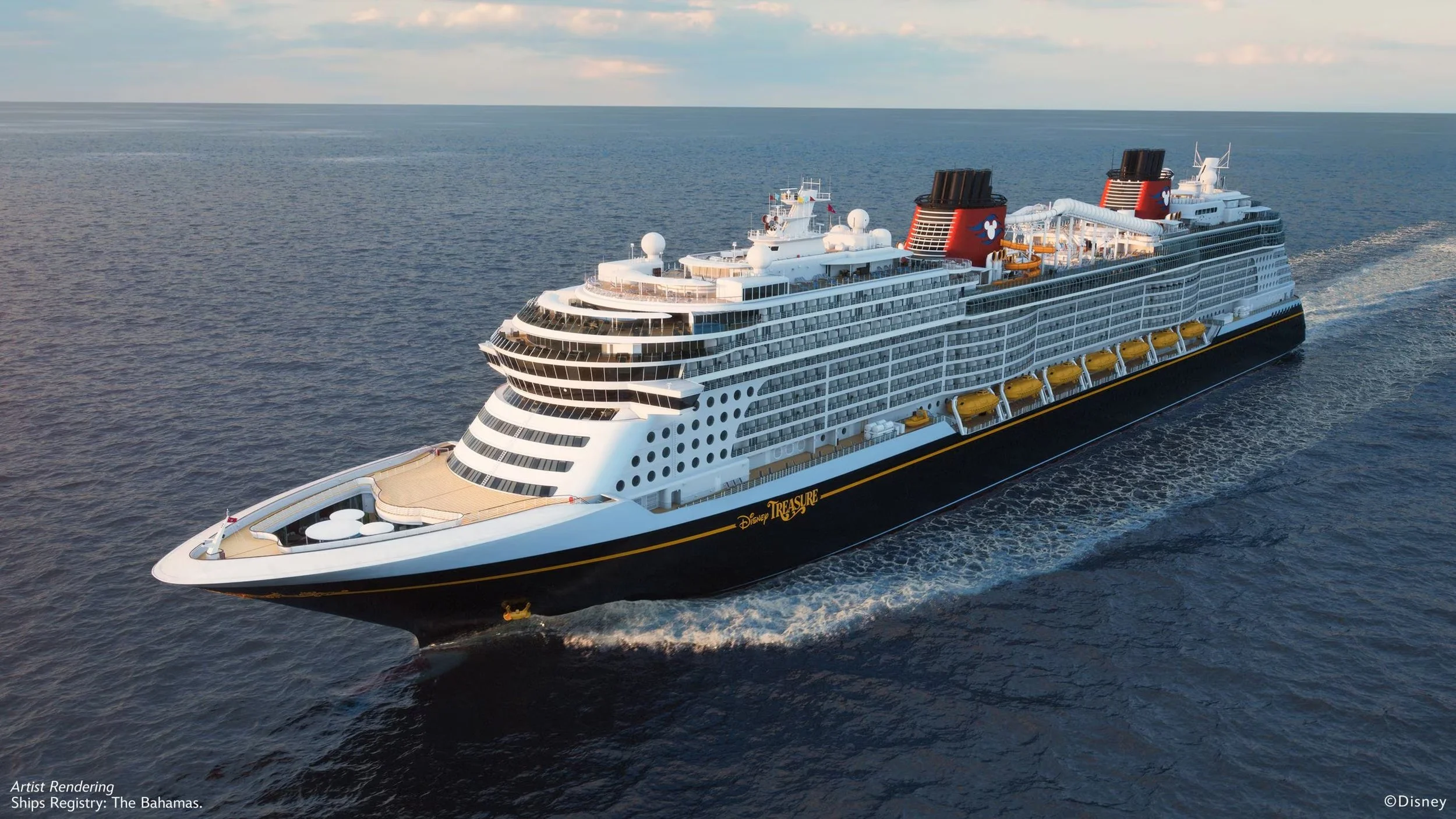
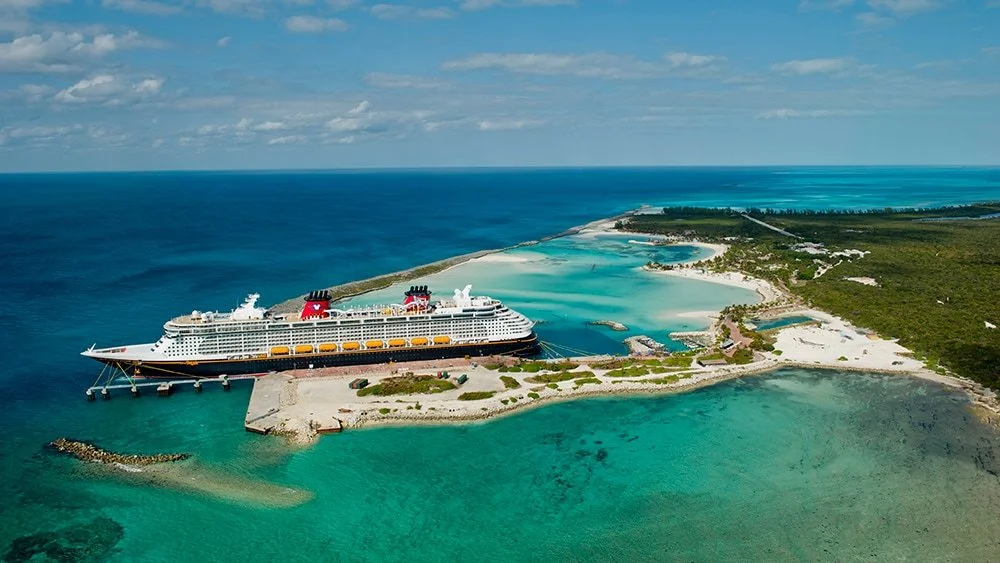
Disney Adventure (March 2026) – 6,700 passengers based in Singapore with Marvel-themed attractions. Game-changer for families who've exhausted Disney US sailings.
Disney Destiny (Nov 2025, but sailing heavily into 2026) – Fifth Disney ship homeporting in Fort Lauderdale with brand-new itineraries.
But there's also a less-discussed trend: smaller, luxury ships. Windstar's Star Seeker (224 guests), Emerald's Kaia (128 guests), and Four Seasons I are launching too. Your luxury-focused clients? These are their jam. And they represent a significant market opportunity you might be overlooking.
Disney is Expanding (Aggressively)
Disney's got five ships sailing out of Florida in 2026—from both Fort Lauderdale and Port Canaveral. They're adding new ports (Puerto Plata, Dominican Republic) and new itineraries from California (San Diego departure dates Oct 2026 onward).
The implications for your business:
Disney Cruise deposits are historically reduced during Wave Season (historically 50% off). This is your bread and butter if you have families.
New California sailings = new audience. Families who think cruising means flying to Florida first just got a West Coast option.
Disney doesn't discount heavily on base fares, but that's not the selling point anymore. It's the experience, the new Marvel theming on Adventure, and access to Disney's private islands.
Your pitch: "You're paying for an experience you can't get anywhere else. Wave Season isn't about cheaper—it's about that deposit reduction and including those extra perks."
The Resort & Theme Park "Land Wave"
Here's what most cruise-focused agents miss: cruisers aren't the only ones booking during this period.
Universal Orlando has promotions running during Wave Season. Sandals Resorts, Beaches, and other all-inclusives do too. If your client says "Cruises make me seasick," you've got backup inventory ready to go—and your competitor agent just lost the booking.
This "Land Wave" strategy can be just as lucrative as cruise bookings, and it's criminally underutilized!
The Wave Season 2026 Deals
Let's get specific about what's actually happening in January.
Virgin Voyages: The Disruptor's Play
Offer: 80% off second sailor + up to $400 Bar Tab (Dec 5, 2025 – Jan 29, 2026)
What makes this insane: It's better than 2025 (which was 80% off second sailor + $300 Bar Tab). They literally raised the offer. The Bar Tab is also tiered now—longer voyages and premium cabins get more value.
Real math for a couple:
7-night Caribbean, Sea Terrace
Sailor 1: $2,500
Sailor 2: $500 (80% off)
Bar Tab: $150 (included)
Total: $3,150 for two people, all-inclusive (eating, WiFi, fitness, essential drinks)
Compare to Royal Caribbean for the same trip:
Base fares: $1,800 per person = $3,600
Gratuities: $224
Drinks package: $910 (65/day per person mandatory if one adult purchases)
WiFi: $280
Total: $5,014+
Virgin's beating RC by over $1,850 before you factor in the stress of nickel-and-diming.
The agent takeaway: Virgin's deals aren't just competitive—they're category killers. If you're not actively booking clients on Virgin, you're leaving serious commission money on the table (yes, you still earn commissions on Virgin).
Princess Cruises: The "Safe" Play
Offer: Up to 40% off + $500 instant savings + 50% off deposits (Dec 9 – Feb 16, 2026)
Princess covers 345 destinations across their entire fleet. This is the family-friendly, familiar option your risk-averse clients gravitate toward. The perks are solid (free third/fourth guests on select sailings), but you'll need to read the fine print—restrictions apply.
Royal Caribbean: The "Traditional" Play
Expect something like: 30% off + "Kids Sail Free" + onboard credit bundles. RC's offers are decent, but remember—base fare discounts don't account for all the add-ons. Your clients need to understand the true cost.
Azamara: The Boutique Play
Offer: Up to $1,000 onboard credit on 200+ sailings, plus return to Alaska spring 2026
Azamara targets sophisticated travelers who want smaller ships, more port time, and no mega-ship crowds. Their Wave Season offer is positioning them as "intimate, curated cruising." If you have clients who got spoiled by a previous Azamara sailing, these onboard credits are dangling carrots.
Luxury Lines: The "Add-On" Play
Silversea (up to 40% off), Seabourn ($1,000 shipboard credit), and Cunard ($600 onboard credit) don't discount heavily—they bundle perks instead. This is actually perfect for your ultra-high-net-worth clients who don't care about percentage off but absolutely care about free champagne and included shore excursions.

Pre-Game Strategy: Getting Your House in Order
You've got maybe two weeks before the phones start ringing. Use them wisely.
Clean Your CRM (Seriously, Do This)
Go through your client list. Who cruised in 2024 but hasn't booked for 2026? That's your hot list. These aren't cold leads—they're warm re-bookings.
Create a segment called "2026 Wave Candidates" and prioritize them. A "soft" email in mid-December that says, "Hey, I'm seeing some wild inventory shifts for 2026 already. If you've got a vacation on the brain, let's talk before the January rush hits" is enough to warm them up.
Prepare Your Email Templates
You're going to send variations of the same email 50+ times during Wave Season. Don't type them from scratch each time.
Create templates for:
Cruise inquiries (response to "Tell me about the Caribbean in July")
Wave Season positioning (explaining the offer)
Post-booking follow-up (confirming what they're getting)
Upsell templates (cabin upgrades, onboard credit, excursions)
Keep them conversational, not robotic. People can smell a template from a mile away.
Set Your Boundaries Now
This is non-negotiable. According to research, 29% of travel advisors experience burnout, with 46% feeling overwhelmed during peak periods. The agents who survive Wave Season without melting? They set boundaries before it starts.
Decide:
What time you'll stop checking emails (7 PM? 9 PM?)
Which days you'll take off (every Saturday? Friday afternoons?)
How many hours you'll work per day (10? 12?)
What your response time will be ("I'll send quotes within 48 hours, not 2 hours")
Communicate these boundaries to clients upfront. "I work within these hours to ensure I give you my best attention" sounds better than ghosting them for three hours.
Build Your "Land Wave" Arsenal
Create a one-page guide to your top 5 all-inclusive resorts and theme parks. Include:
Current Wave Season offers
Why a client might choose this over a cruise
Link to your booking page
When a prospect says, "Cruises aren't for us," you hand them this. Boom. You just captured a booking you were about to lose.
Marketing Strategies That Actually Work (No Generic "Book Now!" Posts)
Your clients are drowning in cruise emails. Stand out.
1. The "Math of the Deal" Breakdown
Clients see "30% off" and their eyes glaze over. Make it real.
Create a simple graphic or short video that shows:
"Royal Caribbean Wave Season: $3,600 base + $910 drinks + $224 tips + $280 WiFi = $5,014 true cost"
"Virgin Voyages Wave Season: $3,150 all-in with everything included"
You're not trash-talking competitors—you're translating jargon into actual dollars. Your clients will share this with their friends.
2. Short-Form Video That Converts
TikTok, Instagram Reels, YouTube Shorts—pick one and master it. You don't need to dance. Just talk to the camera about Wave Season in plain English.
Hook: "Stop scrolling if you've been thinking about a 2026 cruise."
Value: "Here's what Wave Season actually means and why January is the moment to book."
Call to Action: "DM me 'WAVE' and I'll send you the latest deals."
That's it. Three sentences. Film it on your phone. Post it.
3. The Email Sequence That Educates & Sells
Forget the "LAST 24 HOURS!" subject line. Instead:
Email 1 (Dec 15): "Wave Season 2026 is here (and it started early)"
Subject: Not what you think
Email 2 (Dec 20): "The deals everyone's missing"
Subject: Most people get this wrong
Email 3 (Dec 27): "Your cabin selection checklist"
Subject: Before you book, read this
Email 4 (Jan 5): "Real pricing examples: What $2,500 vs $5,000 actually gets you"
Subject: The math matters
Each email solves a problem. Each email positions you as the expert who translates cruise-speak into real answers. By email 4, your clients trust you enough to book.
4. Niche Down to Specific Audiences
Don't market "Wave Season" to everyone. Market to:
Families: "New Disney Adventure ship in Singapore—family trips without the US ports"
Couples: "Adult-only Virgin Voyages—no kids, just cocktails and peace"
Luxury seekers: "Silversea's $1,000 onboard credit—complimentary champagne included"
Budget-conscious: "50% off Celestyal's sailings—Europe's best-kept secret"
Adventure junkies: "HX Expeditions' Antarctica discounts—up to $4,000 off"
Specific > Generic. Always!
The Disney & Universal Play: Your "Land Wave" Strategy
Here's where most agents leave money on the table.
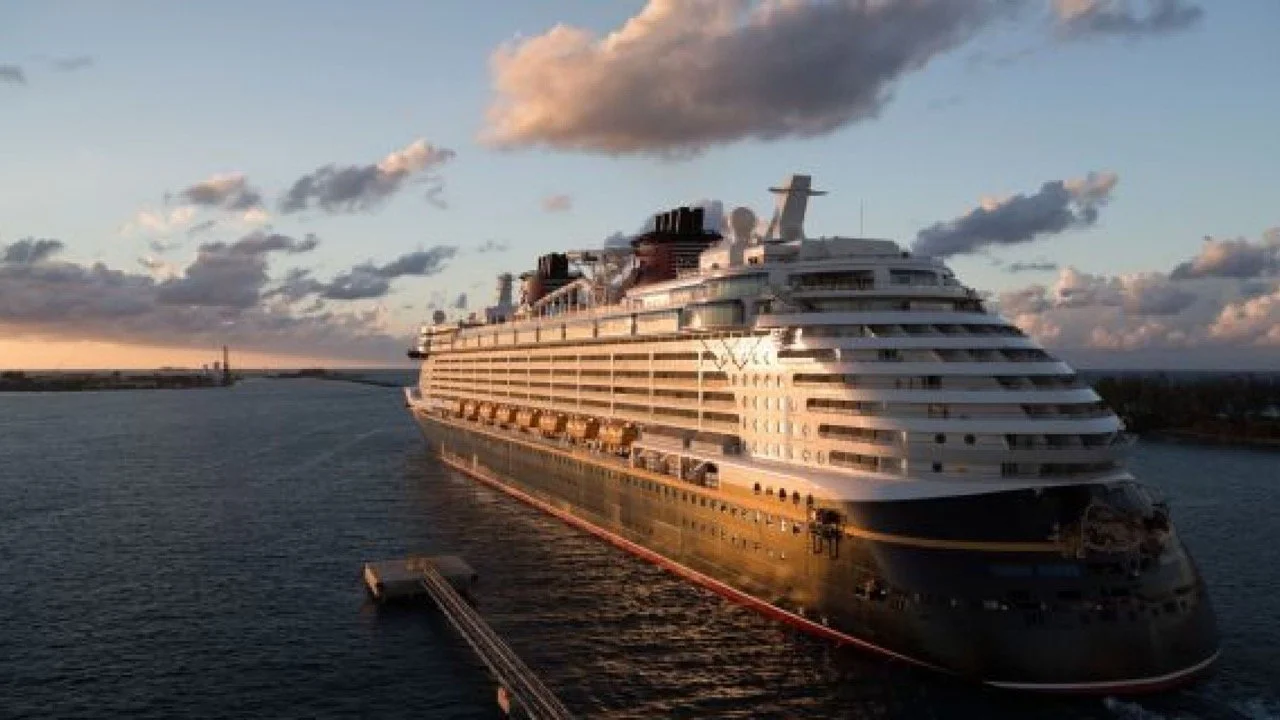
Disney Cruise Line's Wave Play
Historically, Disney doesn't discount base fares heavily during Wave Season. Instead, they slash deposit amounts (often 50% off the initial deposit).
Why this matters: A Disney deposit can be $2,000-$4,000 depending on the cruise. Cutting that in half removes the biggest financial friction point for families. It's not about the discount—it's about getting families to commit.
Your pitch: "Lock in your 2026 Disney cruise for half the usual upfront cost. Take six months to pay the rest."
Universal Orlando & Theme Park Packages
Universal typically runs travel agent promotions during Wave Season too. If a family says, "Can we combine a theme park stay with a cruise?" you've got bundled inventory ready to pitch.
The reality: Most families want one trip that does everything. Universal at the start, then a cruise. Or vice versa. By packaging these together, you're solving a problem competitors aren't.
All-Inclusive Resorts: The Sandals Play
Sandals Resorts, Beaches, and other all-inclusives run Wave Season promos too. Some historical deals include "7-7-7" packages (seven nights, seven meals, seven activities for a set price).
The agent takeaway: When a client says, "Cruises make me seasick," you pivot immediately. "Let me show you something—Sandals has this Wave offer that might be perfect for you instead."
How to Survive January
This section isn't optional. Nearly one-third of travel agents report burnout, and Wave Season is the primary culprit.
Set Email Boundaries (Non-Negotiable)
Decide on your response time. "I'll send quotes within 48 hours" is healthier than "I'll get back to you in 2 hours." Your clients will adapt, and you won't be refreshing your inbox at 11 PM.
Use auto-responders: "Thanks for reaching out! Wave Season is busy. I'll prioritize your request and respond by [date]."
The "Plan to Go" Fee
Consider charging a planning fee ($50-$150) for detailed itinerary consultations. If the client books, waive it. If they ghost you for Costco Travel, you're compensated for your research time.
This filters out "tire kickers" and adds revenue to offset the stress.
Automate the Basics
Use templates for:
Initial inquiries ("What dates are you thinking?")
Quote responses ("Here's what I found for you")
Booking confirmations ("Here's your confirmation number and next steps")
Don't type these 50 times. Copy, paste, personalize the name. Done.
Batch Your Work
Instead of responding to 20 emails throughout the day, respond to them all at once. 9 AM email check. 2 PM email check. 5 PM email check. Done. This prevents constant context-switching and mental fatigue.
Take One Full Day Off Per Week
Non-negotiable. Your brain needs a reset. This doesn't mean "checking email on Sunday"—it means actually off! During your work days make sure and take 15-20 minute breaks every couple of hours! It’ll give your brain time to reset and allow new ideas to flow!
According to sleep and wellness research, agents who take extended time off (even just one full day per week) report significantly lower burnout. You're not sacrificing clients by being unavailable one day—you're protecting your long-term capacity!
Hire Help (Or At Least Get a VA)
If you can swing it, hire a virtual assistant for:
Sending quote requests to suppliers
Organizing client documents
Sending follow-up emails
Even 10 hours/week of VA support can free you up significantly during Wave Season.

Ranking for Wave Season 2026 Searches
Your blog doesn't have to compete with Cruise Critic on scale, but it can dominate on specificity.
Keyword Strategy
Instead of targeting "cruise deals 2026" (too competitive, too broad), target:
Primary Keywords:
"Wave Season 2026" (2,400 searches/month)
"Best time to book a cruise" (1,800 searches/month)
"Disney Cruise deposits 2026" (890 searches/month)
Long-Tail Keywords (Lower competition, higher intent):
"50% off Disney Cruise deposit Wave Season 2026"
"Virgin Voyages 80% off second sailor 2026"
"Royal Caribbean Wave Season deals January 2026"
"Budget cruise packages for families 2026"
"All-inclusive cruise deals Wave Season"
Question-Based Keywords (Snackable content):
"Is Wave Season the cheapest time to book a cruise?"
"What deposits do I need for Wave Season?"
"Should I wait for Wave Season to book?"
Google prioritizes content that answers questions naturally. A blog post titled "5 Questions About Wave Season 2026 (Answered)" will rank higher than "Wave Season 2026 Guide."
Bing vs. Google
Google loves natural language and user intent. Bing still favors exact keyword matches in headers.
For this article:
H1 (Google & Bing): "Wave Season 2026: The Complete Travel Agent Playbook"
H2 (Bing especially): "Wave Season 2026 Deals: Real Prices & Offers"
H3 (Natural language): "How Virgin Voyages' 80% discount compares to Royal Caribbean"
This dual approach ranks on both search engines without feeling forced.
Featured Snippet Optimization
Google loves specific answers in 40-60 words. Create content blocks like this:
"What is Wave Season 2026?"
Wave Season 2026 runs January-March, when cruise lines release their biggest promotions of the year. Expect discounts on fares, reduced deposits, and bundled perks like free drinks and onboard credit. For example, Virgin Voyages offers 80% off second sailor plus up to $400 bar tab.
That's your featured snippet. Google will pull it if your formatting is clean.
Content Structure for Ranking
Introduction (200 words): Hook + stat + promise
Main sections (300-400 words each): Answer one question per section
Subheadings: Question format ("Why is Wave Season Starting Early in 2026?")
Bulleted lists: Break up long sections
Internal links: Link to other related articles
Call-to-action: "Book now" or "Get your Wave Season checklist"
This structure is readable for humans and scannable for search engines.
Our FAQ Section
General Questions
Q: What exactly is Wave Season?
A: Wave Season (traditionally January-March) is when cruise lines release their biggest annual promotions. You'll see reduced deposits, bundled perks (free drinks, WiFi, onboard credit), and aggressive pricing to lock in bookings for the year. For 2026, many lines started promotions in early December, so it's already underway.
Q: Is Wave Season 2026 the cheapest time to book?
A: Not always the lowest base fare, but usually the highest value. You might pay the same cruise fare as you would in October, but during Wave Season you get free drinks, cabin upgrades, and $500+ in onboard credit included. The total package is where the savings shine.
Q: When does Wave Season 2026 end?
A: Officially, most promos run through March 31. But realistically? Best inventory and deals evaporate by mid-February. If you want a specific cabin or sailings, book in January. By March, you're picking from leftovers.
Q: Should I wait for Wave Season to book my cruise?
A: No. Book when you're ready. Wave Season is best for cruises 6+ months out. If you're looking at a May departure and it's December, you'll get better pricing during Wave Season. But if you want March, waiting might mean higher prices. Rule of thumb: Book 4-6 months in advance for best value.
Q: Can I rebook if a better deal comes during Wave Season?
A: Sometimes. With most cruise lines, if you book outside Wave Season and a better Wave deal emerges, you can often rebook at the lower price (usually within 45-60 days of sailing). Your travel agent can handle this. Direct bookings? You're on your own.
Q: What deposits do I need to pay during Wave Season?
A: Depends on the line. Some offer 50% off deposits (Disney, Princess, Oceania). Others have flat deposits. Virgin Voyages might ask for $500 per person instead of the typical $750. Ask your agent for the exact deposit structure—it varies wildly.

Cruise-Specific Questions
Q: Which cruise line has the best Wave Season 2026 offer?
A: Depends on your priorities:
Best value: Virgin Voyages (80% off second sailor + everything included)
Best for families: Princess (free kids + discounted deposits) or Disney (50% off deposits)
Best luxury: Silversea or Seabourn (free perks like champagne)
Best for budget travelers: Celestyal (up to 50% off)
Q: What's new in cruising for 2026?
A: Fourteen new ships launching, including Norwegian Luna, Disney Adventure (in Singapore!), and more luxury yachts. Disney's expansion to California is huge if you're on the West Coast. Virgin Voyages' deals are more aggressive than ever.
Q: Can I use multiple promotions at once?
A: Some lines allow "stacking" (combining offers). Most don't. Ask before you book. Virgin explicitly lists which promos combine; Royal Caribbean sometimes allows it.
Travel Agent Questions
Q: Should I book with a travel agent or directly?
A: Same price either way. With an agent, you get: price monitoring, rebooking services, expert advice on cabin selection, and someone to call if something goes wrong. Direct booking? You're on your own.
Q: How much commission do travel agents make on Wave Season bookings?
A: Typically 10-12% on cruise bookings. A $3,000 cruise = $300-$360 commission (split with your host agency). Volume matters. Booking 10 cruises = $3,000+ in gross revenue. It's why agents are incentivized to push hard during Wave Season.
Q: Are travel agents really worth it during Wave Season?
A: Absolutely. Wave Season is when agents earn their value. We monitor pricing, rebook you if deals emerge, optimize cabin selection, and handle logistics. You could DIY it, but would you want to?
Product Questions
Q: What's the difference between Disney Cruise and Royal Caribbean?
A: Disney focuses on family experience, character interactions, and Disney's private islands. RC offers more ship variety (mega-ships to smaller vessels), more destinations, and younger crowd options. Disney costs more; RC has more add-on charges.
Q: Is Virgin Voyages really "adults only"?
A: Yes, 18+ only (with rare exceptions for immediate family of staff). It's their unique selling point. No screaming kids. No family chaos. Adult travelers pay a premium, but many consider it worth it.
Q: Are all-inclusive resorts better than cruises?
A: Different. All-inclusives = immobile relaxation on a beach. Cruises = moving between destinations + onboard experience. Seasickness is a real factor. If you get motion sick easily, a resort might be better.
Similar FAQ’s
Q: Should I join a consortium or host agency before Wave Season?
A: If you're an independent agent, yes. Consortiums provide access to better supplier deals, marketing support, and commission overrides. By Wave Season 2026, you want these relationships already established.
Q: What's the deal with early deposits vs. final balance?
A: Most cruise lines require initial deposit (10-25% of fare) upfront, then final balance 60-90 days before sailing. Wave Season often reduces the deposit. A typical setup: normally $500 deposit, Wave Season $250 deposit, balance due 75 days before sailing.
Q: Can I price match if a client finds a better deal elsewhere?
A: Technically, no—your pricing is the same everywhere. But you can offer value-add: free itinerary planning, onboard credit monitoring, cabin upgrade advocacy, or a planning fee waived. Don't compete on price; compete on service.
Q: How do I explain why their Royal Caribbean pricing is higher than Virgin?
A: Don't bash competitors. Instead: "Royal Caribbean's base fare is lower, but once you add drinks, WiFi, and tips, your total is higher. Virgin includes more upfront, so fewer surprises." Frame it as "different models," not "better/worse."
Q: What if a client insists on booking directly?
A: Let them. Don't fight it. Send them this: "I'm here if you hit any issues—cabin preferences, price monitoring, payment schedules. My help is free." Half will come back asking for help once they're knee-deep in the booking process.
Q: How do I handle clients who booked outside Wave Season and want rebooking?
A: Check your cruise line's rebooking policy. Most allow it within 45-60 days of sailing if a better price emerges. The price difference usually converts to onboard credit. Be honest about restrictions—you'll earn trust.
Q: What's the difference between "instant savings" and "onboard credit"?
A: Instant savings reduce your out-of-pocket cost immediately. Onboard credit is money you spend on the ship (spa, drinks, excursions). For budget-conscious clients, instant savings wins. For luxury-minded clients, onboard credit is perceived as "free money."

2026 Industry Trends
Younger Demographics Are Changing Everything
The average cruise passenger age is dropping into the mid-40s, with over a third under 40. This means:
More short 4-5 day sailings (weekend escapes)
More entertainment focused on nightlife and social experiences
More TikTok-worthy moments (better Instagram photo ops)
Less "floating retirement home" vibes
Your marketing should reflect this. If you're still positioning cruises as "relaxation for retirees," you're missing the market shift.
The "Niche Charter" Explosion
Royal Caribbean just announced a JoJo Siwa charter. Music cruises, chess retreats, wine schools, and TV-show-themed sailings are multiplying.
Why? Because enthusiast communities are willing to pay premium prices for curated experiences. A Swiftie's Taylor Swift-themed cruise? Sign me up. A chess player's week-long retreat on a ship? Budget approved.
This is your opportunity to niche down. "I specialize in music cruises" is more powerful than "I book all cruises."
Digital Experience Is Getting Personal (And Creepy)
Cruise lines are rolling out wearable bands and apps that track your habits, personalize offers, and nudge you toward specific restaurants or shore excursions. MSC even banned smart glasses because of privacy concerns.
For agents, this means: cruise lines know more about their passengers than ever. Your pitch advantage? Human judgment. "I know you hate crowded buffets, so here's a ship with specialty dining included."
Shoulder Season Travel Is Booming
More people are cruising in spring (April-May) and autumn (September-October) to avoid crowds and get better weather.
Marketing implication: Stop pitching only summer and December. Frame May in the Mediterranean as "warm, fewer crowds, better prices." August in Alaska? "Perfect weather, longer daylight, still less crowded than summer."

Your Wave Season 2026 Playbook
Here's your checklist for dominating Wave Season 2026:
December (Right Now):
Clean your CRM
Prepare email templates
Set personal boundaries
Send soft "heads up" emails to past clients
Create "Land Wave" backup options
January:
Launch your email sequence
Post short-form video content 3x/week
Be responsive (within your boundaries)
Stack offers and maximize perks
Monitor pricing for rebooking opportunities
February:
Shift focus from acquisition to service (booking confirmations, itinerary planning)
Continue nurturing prospects who haven't booked yet
Prepare for cabin selection calls and onboard credit guidance
March:
Close out remaining Wave opportunities
Transition to post-Wave follow-up (payments, document collection)
Plan how you'll use Wave Season revenue
April-December:
Service bookings, handle on-cruise issues, generate referrals
Build your blog and SEO presence for next Wave Season
Final Thoughts
Wave Season 2026 is going to be big! Record cruise bookings, record demand, record opportunities. But it's also going to be challenging! Your inbox will overflow. Your clients will ask the same question 50 times. You'll want to pull your hair out by February 10th!
Here's the secret: Agents who thrive during Wave Season aren't the ones who work the hardest. They're the ones who prepare the best!
You're reading this in December. You're ahead. Use this playbook. Set your boundaries. Clean your data. Prepare your templates. Position yourself as the expert, not the order-taker!
Your clients don't want to hunt for deals themselves. They want someone they trust to translate cruise-speak into real answers. Be that person!
Wave Season 2026 isn't a sprint. It's a marathon. Pace yourself, stay sane, and the bookings—plus the commission—will follow!
Now get out there and have your best Wave Season ever!
Become a Travel Professional for Only $99
Turn your love of travel into extra income from home!
Join Now