
How to Become a Travel Agent Specializing in Hotels
Hotels represent one of the only travel niches that generates consistently higher commissions than any other travel product available in the market! Airlines have long since eliminated commissions for agents unless it’s part of a package deal. Hotels have done the exact opposite, in fact they’ve sought to use agents as their marketing avenue by offering commissions. At Marriott, the basic rate is a 8% commission, which is boosted to 10% for preferred agencies. Hyatt offers a 10% commission for eligible rates in all hotels worldwide! Hilton tracks and pays commissions for any agent registered with an accredited organization. That's before luxury network perks, FAM trips, and the math on high-end bookings!
I went through the leading articles, supplier resources, travel advisor training pages, and current industry material to pull together what matters most now. I also paid attention to what other guides aren't really saying. A lot of them don't talk enough about hotel programs, loyalty expectations, service fees, group blocks, boutique properties, or how AI is changing search while still leaving huge room for human expertise. Those missing angles matter! They can shape how fast you grow, how much you earn, and how useful you become to clients. If your niche isn’t hotel booking you should really consider it! I’m going over all the reason you’ll want to start booking hotels exclusively!

Why Focusing on Hotels Is Smarter Than Most Beginners Realize
Travel agents entering the market usually begin thinking they should specialize in everything. Flights, cruise lines, tours, insurance, destination services, corporate travel, destination wedding planning, Disney vacations, traveling in Europe, vacation packages, the whole array! Yes, it may be possible for some agencies to build their expertise in each of these areas; however, initially, this can stretch your capabilities quite thin.
Working with hotels allows creating a clear area for specialization.
Accommodation is a must-have for virtually all journeys. Tourists can forego using a rental car. They can fly by accumulating points. They can forego booking any sightseeing tours. However, as long as the travel agent does not plan for a camper or visits friends and relatives during a trip, tourists still need to find and book a decent place to spend night-time. So, working with hotels is both the most practical and promising niche.
In addition, hotels are highly profitable for the travel industry!
Large hotel brands actively cooperate with travel agents providing commission schemes, agent discounts, educational resources, and customer support for those working with hotels. The Hotel Excellence! Program run by Marriott is among the most popular advisor training courses. Moreover, agents working with preferred hotel programs offered by Marriott get an opportunity to receive 10% commission rather than regular 8%.
Hyatt claims that authorized travel agencies are entitled to get 10% commissions in relation to all eligible rates available throughout the globe. Hilton is no exception either; the company offers a commission structure and a special travel agent resource center as well.
The question about profitability comes up very often.
Yes, travel advising business can be very profitable but the main thing is to know how to capitalize on your specialization in hotels, to gain understanding of suppliers' policies, to learn how to sell not only your service but also your knowledge of how and where your client needs to book accommodations to benefit.
The latter is the key to success!
It goes without saying that a customer can book a hotel independently on a website. However, he or she cannot easily choose whether to opt for an expensive beachfront room in a high-end chain resort or for a regular room with ocean view. A skilled advisor will show which type of accommodation to opt for based on travelers' preferences and budget.

What a Hotel-Focused Travel Agent Actually Does
This is pretty straightforward stuff, but it deserves a moment because your role here is actually quite a bit bigger than what some might initially expect.
When an advisor works on behalf of a travel agent for hotels, there's obviously the room reservation component. But, at the same time, your advisor is helping them decide which hotel fits their needs, comparing different kinds of room types, weighing pros and cons regarding locations, figuring out whether or not they need transport services, going over cancellation policies, negotiating upgrades and perks, organizing special events, and even managing extra tasks like securing club lounge access.
In some instances, you're playing matchmaker by connecting someone with a particular hotel or resort. You're reading the signs.
Do they prioritize room space or do they want a place with good pool views? Do they prefer easy proximity to local restaurants or would they rather stay in a private self-contained resort? Is their preference a five-star chain with all the comforts of familiarity or do they desire that unique boutique experience that they'll tell stories about for years to come?
Some examples of the kinds of things an advisor dealing mostly with hotel bookings will regularly handle include:
Resort and hotel recommendations based on the traveler's personality
Luxury hotel booking for a client in connection with your preferred partners
Planning all-inclusive resorts for couples or group family vacations
Boutique hotel planning for those seeking unique destinations
Coordinating group rooms for weddings, reunions, and corporate meetings
Handling honeymoons and anniversaries with VIP privileges
Setting up pre-arrival meetings with hotel contacts and staff members
Guiding guests through preferred loyalty programs and points eligibility
Securing hotel amenities via your preferred network
Think about it this way, your role isn't just to make reservations, you eliminate friction and add value in the process!

Pick the Right Hotel Niche Before You Do Anything Else
This is one of the most critical decisions you will make, and most beginner guides pay little to no attention to this decision. And yes, I understand it’s a niche within a niche (Inception style)!
Even under "hotels," you can be quite specific. Trying to establish yourself as a jack of all trades in hotel accommodations will leave you with poor marketing, weak content, and weak expertise. I’m listing a few options you could consider when just a niche for hotels:
Luxury Hotels & Resorts
The most profitable and appealing niche as bookings are generally higher value, you might get stronger commissions, and your client will prioritize service over cost-saving measures! Many luxury hotels use their preferred programs and networks offering additional perks, such as free breakfast, credits, upgrades, and later checkout times – things your client simply can't receive booking directly. Your job is made easier by the fact that you are providing not only better rates but better experiences!
All Inclusive Resorts
One of the most beginner-friendly niches. It is easy to explain, highly visually appealing, high demand, and there are plenty of opportunities for training and learning. All types of guests book all-inclusive resorts – couples, families, honeymooners, groups. If you find satisfaction in matching travelers to resort style, evaluating all-inclusive deals, avoiding boring choices for your clients, then this may be your niche!
Boutique & Independent Hotels
Often overlooked. People get tired of chain-style hotels, they want accommodation with character – old manors converted into elegant hotels, cool city properties, beach resorts with intimate atmosphere, or even boutique hotel chains. Inventory from independent hotels is far more fragmented than chain hotels! Therefore, the knowledge of this inventory makes you valuable, your clients cannot tell after looking through 200 pictures whether the boutique hotel is elegant, lively, stylish or worth staying in. Small Luxury Hotels of the World and Tablet Hotels are evidence of high demands in curated boutique hotels.
Wedding & Group Room Blocks
An overlooked niche. If you assist group in securing room blocks, managing the deadline, contract negotiation, or even helping them organize accommodations, you will become indispensable. Hilton, for example, states that smaller blocks can be booked online whereas larger groups require direct booking. Booking room blocks helps in acquiring larger single bookings, receiving referrals, and making a name locally through positive word-of-mouth!
Corporate Hotels
Not a glamourous niche, yet quite reliable! Corporate travelers need someone who can provide consistent services, align accommodation with corporate policies. Corporate travel forecasts for 2026 emphasize the importance of wellness of travelers, AI implementation, and effective policies based on efficiency. This niche requires a structured approach rather than a romantic and passionate one.
Choosing your niche
If you are unsure, ask yourself:
Which type of hotel-related content do I save/look at frequently?
Am I able to identify and empathize better with particular kind of traveler? (couple, family, luxury traveler, corporate, wedding planner etc)
What do I enjoy most – the aesthetic, logistics, relationships building?
Will I be able to talk about my chosen kind of accommodation without getting bored?
When choosing for the first time, all inclusive resorts and boutique lifestyle hotels are a good choice. The former one will help you establish quicker, the latter will help you develop your content faster!

Learn the Credentials Without Getting Lost in the Acronyms
IATA. IATAN. CLIA. TIDS. ARC. Host agency. Consortium. It can feel like someone dumped a bowl of alphabet soup on your desk. I’m going to simplify it for you!
IATAN — For hotel-focused agents in the U.S., this is one of the most important identifiers. Many hotel brands recognize IATAN when processing commissions or validating travel advisor status. Most hotel program requirements list "valid IATA, IATAN, TIDS, ARC, or CLIA number" as a requirement.
CLIA — Best known for cruises, but widely accepted by hotel programs for agent rates and recognition. The annual cost runs around $399. It's one of the more accessible credential paths.
TIDS — Useful for travel sellers who don't need air ticketing authority but still want an accepted industry designator. If hotels are your main focus, this is relevant.
The easier path for beginners: Most new travel agents don't need to secure all of these independently. If you join a host agency, you typically work under its accredited umbrella, meaning the host's setup gets you access to supplier relationships, commission processing, and booking tools from day one.
That's why host agencies are such a common starting point. They simplify the business back-end while you focus on learning, booking, and building clients!

Why Joining a Host Agency Is Usually the Best First Move
If you're new, joining a host agency is almost always the easiest, safest, and most practical entry point.
Working with a host agency gives you access to:
Supplier contacts and commission agreements
Reservations systems and CRM solutions
Training and educational resources
Templates and marketing support
Mentorship and networking
Sometimes even luxury network connections like Virtuoso or Signature
Comparisons of current host agencies for both 2025 and 2026 all point to similar top priorities being support, hotel contacts, training and education, and commission split. This becomes particularly relevant in terms of hotel advisor roles that profit immensely from such connections.
So when comparing different host agencies, don't just skim through their homepage. Ask yourself:
With which hotel suppliers and chain do you have direct relationships?
Do you have access to any luxury networks like Virtuoso or Signature Travel Network?
How is the split of the commission structured and does it change over time?
Are there any monthly fees, annual fees, or one-time onboarding costs?
Do you offer any hotel-specific training programs?
How do you track commissions?
What kind of support do you give in case of hotel-related issues?
Do you give your newer agents access to FAMs and special agent rates?
This last question tends to matter a lot more than you might think, since not all hosts treat all their agents equally when it comes to FAMs. In particular, some host organizations or certain levels within the hierarchy can unlock better deals than others, so make sure to address this issue in advance if hotel FAMs are part of your business strategy.
Don't fall for those great commission splits in your first year of working with hosts. That may sound incredible, but with poor support, limited supplier contact, and a lack of strategic assistance, you're doing nothing but shooting yourself in the foot.
Here at MainStreet Travel we have really good hotel supplier relationships which benefits you the most! It’s only $99 to join and we provide you with all the training and tools to book! We also have some of the best FAM trips out there! With zero booking requirements and no recurring fees, there’s no reason not to join today and start earning!

Complete the Hotel Training Programs That Actually Matter
Big-name hotels and resorts provide free advisor education for their brand because they need you to be able to sell their product correctly. You will learn about the brand differences, room categories, booking process, commissions, and even contact information. And you will be able to sell with confidence.
Marriott Hotel Excellence! - The classic hotel brand travel advisor program. It includes Marriott's 30+ brands (Courtyard, W, The Ritz-Carlton), helping agencies achieve preferred status to increase commissions from 8% to 10%. Free and multi-lingual.
Travel Agent Resources - Hilton - All-in-one program from Hilton featuring comprehensive training, details about commissions, and information about properties. Necessary for those who are booking mainstream hotels, corporate travel, and big groups.
Hyatt Travel Advisor Program - Critical when it comes to upscale/luxury products. It gives 10% commissions on eligible rates to approved agencies, as well as intersecting strongly with luxury and loyalty-focused client conversations.
Specialist Programs For All-Inclusives - VAX Vacation Access and Travel Agent Academy feature robust and reliable hotel and resort specialist programs across many all-inclusive brands (Choice Hotels, Palace Resorts, Sandals, and others). Ideal if your specialty is leisure, honeymoons, and resort travel.
Other worthwhile programs include:
HERA - Accor
IHG Agent Portal - IHG
Sandals/Beaches Specialist Certification - Sandals and Beaches
PRO Palace Partners - Palace Resorts
RIU Partner Club - RIU Hotels
StarAgents - Iberostar
How many programs should you join? Don't sign up for 40+ programs in your first month. They look productive, but become fake fast! The strategy to pursue here is selecting 2–3 major hotels you will be selling regularly, 2–3 all-inclusives or resorts fitting your specialty, and one generic source of training. Then dive into them deeply. Memorize the room types and features. Compare brands within each country/market category. That's the knowledge clients notice.

Unlock Preferred Programs and Luxury Networks
This is the point where hotel specialty begins to get really interesting! When speaking about reservations made at luxury hotels, there is a whole range of benefits and services which come from specialized advisor networks and are associated with some tangible benefits for any eligible booking. And once they become aware of that fact, it becomes easier to convince them why working with you would be beneficial!
Some of the benefits clients can enjoy because of these partnerships include:
Free daily breakfast for two
Room upgrade on arrival (where possible)
Hotel property credit ($100 being a common option)
Early check-in or late check-out
Welcome amenities
VIP status at the property
None of these can be obtained when booking independently. But what's more important is the fact that while a client may be aware of such membership options as Amex Fine Hotels + Resorts, it still can't replace personalized approach and connections an experienced advisor will be able to use to secure some additional benefits for the client.

Do You Actually Need GDS Training for Hotel Work?
Not always. GDS systems like Sabre, Amadeus, and Travelport remain part of the industry infrastructure. They matter a lot in corporate travel, air ticketing, and complex multi-supplier itineraries. But if your business is centered on hotel bookings, leisure resort stays, boutique properties, and direct supplier relationships, most of your actual work will flow through:
Hotel brand booking portals
Host agency booking platforms
Preferred consortium tools
Direct property and sales contacts
This being said, it would still be helpful to know a little bit about GDS basics. It will enhance your industry familiarity, offer you another way to conduct your inventory, and lay the groundwork for further expansion should you ever consider taking on flights and corporations.
In my opinion, do not waste time on GDS training until it becomes relevant to the development of your company. If you are only dealing with hotels, it might be important but not urgent; therefore, learn about your suppliers first.
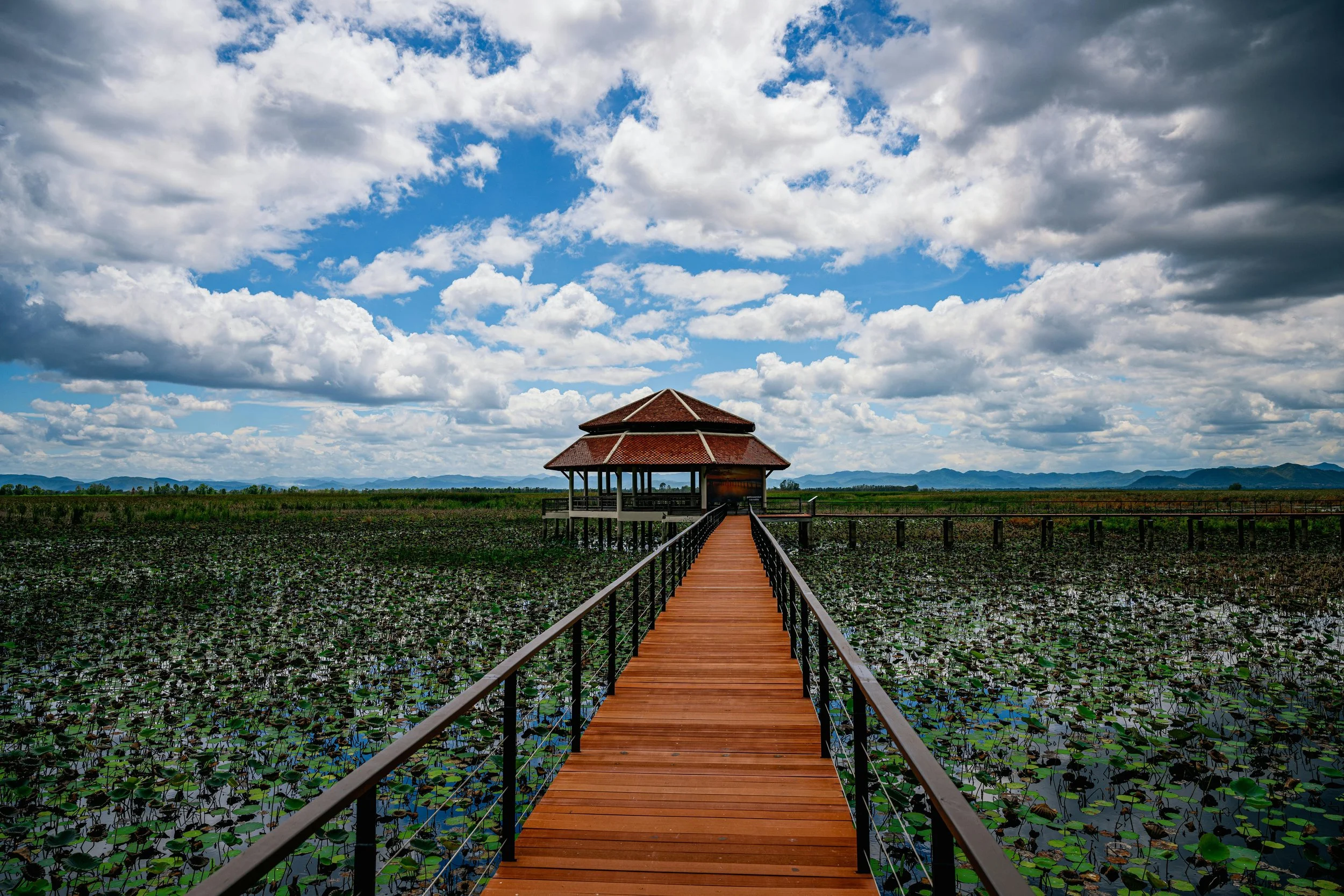
FAM Trips: One of the Fastest Ways to Build Real Expertise
If you really want to differentiate yourself as a specialist in this field, the best method may be to take plenty of familiarization (or FAM) trips! In this case, no qualification will be able to surpass its benefits!
FAM stands for "familiarization." Hotels, resorts, and suppliers invite travel advisors to experience properties firsthand so they can sell with genuine confidence and detail. The real value goes way deeper than "cheap travel."
Of course, some stuff you can get through research or online searches. However, nothing beats first-hand experience in this respect. While you tour the property, for example, you will have an opportunity to see what other travelers do not know and be able to take pictures of areas to show to your clients and use for ads or promotions!
You will find out how swimmable the beach is and how shallow it is, and you will understand if it takes half an hour to reach town from there. You will be able to tell what the atmosphere in the property is like, whether it is lively or relaxed. You will be aware whether the room service is good or not; whether the rooms have a great view, which they are said to have. All this will become extremely important in your work as a specialist!
I highly advise travel agents to create a list of questions they wish to have answered during the FAM, which could include such details as the layout of rooms and beds, noise levels between floors and/or buildings, restaurant diversity and the level of their food service, family or adult orientation, accessibility options, walkability, transportation options, service culture, pool and beach conditions, club-level amenities, renovations and maintenance.
All this information will give you an edge over competition, because you will not just use your time on the FAMs enjoying the place but also collecting valuable information! This stuff really makes you stand out from say someone who’s using generic pictures and vidoes from the hotel site and doesn’t have first-hand experience at the hotel like you do! People are going to be drawn towards you because you’ve actually experienced it!
Finally, as mentioned above by host communities, access to FAMs may be restricted due to production or advisor levels, which makes it necessary to inquire about that beforehand.

Agent Rates and Personal Travel
This is often treated as a throwaway perk, but it's actually a real professional asset. The major hotel chains have special travel industry rates that can be taken advantage of by certified advisers with IATA, CLIA, or TIDS designation. Also, Marriott allows access to travel industry rates for certain approved travel agencies. This allows you to:
Gain personal experience of the properties before marketing them more aggressively
Make comparative assessments of different room types and services levels
Develop original and engaging social media content based on actual insights
Formulate stronger sense of recommendation based on sensory memory
Learn how exactly a property feels when booked at different price levels
One of the coolest aspects about working as a hotel industry specialist is that you get to see first-hand how it all looks, feel the ambiance yourself, taste their breakfast and assess their level of housekeeping. This is something you will be able to do thanks to the agent rates that can benefit you professionally! Use these rates carefully and responsibly!

How Hotel Travel Agents Actually Get Paid
Let's talk about that money! Hotel-focused travel agents typically earn through some mix of:
Hotel and resort commissions — Usually 5% to 10% industry-wide, with preferred agents and luxury network advisors often averaging 10% to 12% depending on relationships and program access.
Planning fees — Charged upfront for your time and research; commonly ranging from $100 to $500 or more depending on trip complexity. I recommend not charging planning fees unless the group is large or the booking is quite difficult. They tend to drive away clients.
Hourly rates — Some advisors charge $50 to $100 per hour for planning and research, especially for experienced luxury advisors.
Concierge and coordination fees — For restaurant reservations, spa bookings, activity planning, and other high-touch details.
Group room block commissions — Often where larger single payouts happen, especially for weddings and corporate events.
Let's make commissions concrete. If a client books a $4,000 hotel stay at 10% commission and your host split is 70/30, you keep $280 on that booking. That's one booking. Stack five in a week and it grows quickly!
Some agents chose to charge fees for planning out their clients trips, but what most new agents might not understand is that these fees usually drive away potential clients. You might be charging a fee for a simple hotel booking when a different agent charges nothing. Who do you think the client is going to use? As I mentioned above, only charge fees if the booking is really difficult or the group is very large. This will help you in the long run when it comes to obtaining new clients and keeping the ones you already have!
The Skills That Really Make a Hotel Specialist Stand Out
You can accumulate as many certificates and trainings as you wish. But the feeling your clients get from working with you leaves a mark!
Good hotel advisors will usually possess qualities such as:
Being good listeners. If you have a customer telling you something like "I just want a nice hotel," you should understand what they mean by the term "nice." Is it quiet or stylish or walkable or fancy or adults only or great for dining or spacious or excellent value for loyalty programs? If you ask relevant questions, your advice will improve.
Understanding how to make proper recommendations based on general statements. Many customers might not have the ability to express what they need properly. Instead, they will tell you they do not want certain things. And a good advisor will be able to turn their "I do not want" list into a list of hotels to consider.
Knowledge of hotel operations. Misunderstandings can arise because of mistakes made in choosing the right room category or because the transfer time was missed. In its publications, TravelAge West emphasizes the importance of such factors as booking of proper rate codes and proactive communications with hotel sales offices. These aspects are still critical today.
Avoiding overselling. It would be wrong to recommend an expensive hotel if it is not really needed. It will be equally bad to sell any boutique hotel as a magic place. And finally, do not propose a non-refundable rate to those who might change their minds.
Problem-solving skills under pressure. Problems are part of work with hotels. And it is extremely important for clients to feel relaxed while contacting you about them. Such emotional control is a valuable skill for travel sales advisors.

Hotel Loyalty Programs
I think this is one of the most overlooked aspects of the "how to become a hotel travel agent" type of blog posts out there, and its relevance is increasing each year!
Many travelers today take hotel points, loyalty programs, and earning benefits seriously and wonder how booking with an agent will impact that. Yet, many of these guides and posts offer nothing on the subject. This is an opportunity you could seize!
Travelers who use hotel rewards programs are still making reservations based on the value they expect to get from the programs, even though some are more points-oriented while others prefer luxury without the concern of point maximization. The good hotel advisor knows how to talk about this topic in a very professional manner.
Now, you don't need to learn everything there is to know about award travel just yet. However, you should be able to:
Identify which programs your client base cares about
Determine whether advisor reservations usually give points/elite status
Determine whether a preferred perk may be better than the loyalty program approach
Communicate this to the customer in a clear and professional way
After all, when a traveler asks "Do I get my points for booking with you?", hesitation doesn't build confidence. It's ok not to know the answers right away, but the habit of asking and answering will be invaluable!

AI, Search, and Why Human Hotel Advisors Still Have an Edge
We can't write an honest, up-to-date guide without talking about AI. Travel planning is changing. It’s not like it use to be.
Google has introduced more AI-driven trip planning features that can suggest itineraries and surface booking options. Broader hotel and travel tech analysis heading into 2026 also points toward increasingly autonomous booking tools and "agentic" AI platforms. That shift is real and it's accelerating.
So does that mean hotel-focused advisors are being squeezed out? No, but your value has to be sharper and clearer!
AI is getting better at:
Summarizing reviews
Comparing rates across properties
Generating itinerary options
Surfacing hotel choices based on basic filters
Humans are still better at:
Reading emotional cues and translating them
Understanding vibe, taste, and atmosphere
Leveraging personal relationships with hotel staff
Advocating when something goes wrong
Matching a specific traveler to a specific property
Recommending with judgment, not just data
That's why your business should not be built around "I can search hotels for you." That pitch is too easy to replace.
Build around better matching, better perks, better judgment, better support, and better care before, during, and after the trip. That's the part AI still struggles with in meaningful ways, and it's where specialists get stronger as the market shifts, not weaker!

Marketing Yourself as a Hotel Specialist
You don't need to become an internet celebrity to get clients. But you do need people to understand what you do and why it matters. Specialization will be your greatest ally!
If you present yourself as "the best travel agent for all destinations and all travel purposes," no one cares. But if you say "I assist couples and families to find the perfect hotel or resort where they will stop wasting their money on sub-par experiences," they will remember it. And not because it's just about marketing, it's helpful!
Today's marketing strategies for travel agents emphasize the importance of visual content, consistent communication, and native engagement. That's particularly applicable to hotel consultants, whose product is by nature visual and emotional.
Effective approaches for hotel consultants to write about:
Comparisons between hotels in the same destination
Breakdown of "who is that resort suitable for"
Boutique hotels for certain types of trips
The differences in all-inclusive options among hotels
Explanations regarding various room types – when it's worth upgrading
Mistakes to avoid when booking a hotel online
Top hotels to celebrate anniversaries/honeymoons/bridesmaids trip
Advantages and disadvantages of top resorts
Walking distance and location breakdown
Worth it vs not: Club level and butler service options
Topics like these are trustworthy, solve real user problems, and attract organic long-tail search traffic. Don't only display beautiful hotels. Interpret them. There's no lack of such images in the internet age. People are hungry for knowledge, and you give it to them.
Room Blocks, Weddings, and Group Business
For anyone looking for an adjacent angle, look no further! Travel agents specializing in hotels can make a great living from working with room blocks for weddings, family reunions, corporate meetings, milestone celebrations, and groups of friends. While not as glamorous, it can be highly profitable, and can set up very sticky referral chains!
Plus, if people are willing to come back to you time and again to plan the room blocks for their family events, they're likely to book a private trip as well.
Managing room blocks entails far more than simply dealing with hotels. In some cases, it may involve assisting your clients with understanding:
Attrition and minimum pick-up agreements
Cut-off dates and policies for unused rooms
Deposit and payment procedures
Arrangements for suite or VIP room
Shuttle arrangements
Location relative to other event venues
Self-book links
The flexibility or rigidity of contract negotiations
According to the guidelines developed for travel agent advisors working with groups, qualifying the right type of group initially is crucial, budgeting, realistic expectations, and compatibility with the client and property. Hilton offers examples of distinct pathways based on the size of the group, ranging from self-serve for small blocks to direct management for larger blocks.
For those more inclined towards logistics than inspiration, it can be just the niche for you. And as far as referrals go, they'll stick around for a long while!

Common Mistakes New Hotel-Focused Travel Agents Make
The negative example can teach us just as much as the positive one can. Trying to sell all hotels to all travelers. This creates superficial knowledge and poor positioning.
Making host agency choices only based on commission split. More important are things like support, infrastructure, and relationships with hotels. A very high split with no safety net is not good.
Failing to research supplier programs. If you plan on selling many of the same hotels, you must know those programs inside out.
Underpricing yourself. Spending hours and efforts into creating travel plans that you underprice can lead to bitterness. Resentment breeds poor service.
Avoiding loyalty considerations. Customers think about it more now than ever before. No clear answers to 'Will I earn my miles?' can really harm your reputation.
Using inspiration over utility in social media. Pictures are good for raising brand awareness. Informational value is better for conversions.
Failing to document customer needs and desires. The more detailed records you will take, the easier it'll be to serve them again in the future.
Failing to learn while on FAM trips. Go there to enjoy yourself, of course. However, go there to learn about destinations.
A Step-by-Step Path to Get Started
Here's your step-by-step layout of how to become a hotel travel agent:
Decide what type of hotel bookings you want to focus on – luxury, all inclusive, boutique, group block bookings, or corporate hotels – and select one niche.
Do research and find yourself a good host agency.
Create a solid foundation for your business. Get a name for your business, a professional email address, and a business website/landing page.
Take part in core supplier training. Start with brands and booking programs that are best suited to your selected niche.
Know how you will make money. Find out how much commission you will be making off your bookings, whether you will charge any planning fees, and what kind of service fees you will apply.
Craft a compelling value proposition for yourself. You should be able to describe your unique selling proposition in one or two sentences.
Start producing content that will help you succeed as a travel agent. Create comparative content focused on matching travelers with destinations, not just inspirational posts about travel.
Book some initial clients for your business. The most natural place to start looking for customers is with your personal connections.
Collect data about your clients. This is key to developing repeat business from your clients.
Strategically participate in FAM trips and get agent rates where necessary. It's especially crucial to learn more about properties that are essential to your niche.
Consider joining some preferred programs or luxury networks. They become even more important if you decide to specialize in luxury bookings.

FAQ’s
Is a degree required to become a hotel travel agent?
Not really. Most of the training happens through your host agency, supplier education, and practical experience with making bookings.
Is it possible to become a hotel travel agent from home?
Absolutely! Many travel agents operate completely from home utilizing host websites, supplier portals, and communication channels to do the work.
How much do hotel travel agents make?
This can vary greatly depending on niche, volume, commission split, fees, and whether you are a part-time vs full-time hotel travel agent.
Do travel agents get discounts when booking for themselves on hotels?
Yes, many hotels give discounts on industry rates to travel agents holding approved qualifications as part of the hotel discount program.
What's the best host agency to become a hotel travel agent?
It is subjective and will depend on your niche, budget, desired focus, and what you are looking for in terms of services, training, and education. The top current comparisons in 2025 and 2026 point out the importance of choosing a fit.
Which niche should I focus on as a hotel travel agent? Luxe or all-inclusive resorts?
It depends on your strengths but many prefer luxury hotels as the bookings and commissions tend to be higher while also giving access to more preferred programs and perks. However, for beginners all-inclusive vacations might be an easier choice as training and demand are higher.
What travel agent certification should I get if I'm going into hotels?
There isn't really a 'best' certification. Combining host agency onboarding and training programs with specific certifications like Marriott Hotel Excellence!, all-inclusive, or niche certifications is a lot more effective than getting just any badge.
Do travel agents get loyalty points when booking hotels for clients?
It is subjective as it depends on many variables such as booking channel, rate type, and even specific brand rules. Verifying whether loyalty benefits apply to the booking is part of good practice.
Are travel agents still needed in this era of technology and AI?
Absolutely! While artificial intelligence is increasingly becoming more adept at researching and comparing hotel rates, human touch can never be replaced when it comes to matching travelers with suitable hotels.
How long does it take to create a successful travel business for hotels?
Booking hotels becomes pretty quick but creating your reputation and client base can take time. Only agents that continue learning, specializing, and focusing on their niche are the ones that thrive.

Final Thoughts
Becoming a travel agent who focuses on hotels can be a genuinely exciting career path because it sits right at the intersection of service, taste, strategy, and experience.
You're not just booking rooms. You're helping people choose how a trip will feel. That's a bigger deal than it sounds.
The right hotel can rescue a stressful family vacation, turn an anniversary trip into something unforgettable, make a business traveler feel taken care of, or give a honeymoon couple the kind of beginning they'll talk about for years. When you really understand hotels (not just rates, but rhythm, fit, atmosphere, and value) you become far more useful than any booking site. You become a trusted guide in a category where the wrong choice costs people real money and real joy!
That's your opening!
The future of this niche will belong to advisors who listen better, guide better, communicate better, and recommend better. The ones who understand supplier programs, loyalty concerns, client psychology, preferred network perks, and the tiny operational details that make a stay feel right.
So if this path keeps pulling at you, pay attention to that. Pick a niche. Join the right host. Learn the supplier programs. Ask sharper questions. Go on FAMs. Build trust slowly and build it well. Then keep going!
Because once you get good at this, you're not just helping people book hotels. You're helping them land in the right place, at the right moment, with exactly the kind of stay that makes the whole trip click. And that's a pretty great business to be in!
Become a Travel Professional for Only $99
Turn your love of travel into extra income from home!
Join Now