
The Best Time to Travel to Costa Rica
Imagine you're planning your dream Costa Rica vacation. You're scrolling through photos of pristine beaches, lush rainforests, and incredible wildlife. But then reality hits. When should you actually go? What about the weather? The crowds? The prices? Don't worry, I've got you covered!
Costa Rica isn't just another tropical destination. This small Central American gem packs in everything from cloud forests to Caribbean beaches, active volcanoes to Pacific surf breaks. And here's the thing—timing really does matter! Visit during the wrong month, and you might find yourself battling crowds at Manuel Antonio. Or you'll be stuck indoors during September's downpours. But nail the timing? You'll experience the pura vida lifestyle at its absolute best!
Let me walk you through everything you need to know about when to visit Costa Rica! We'll break down the seasons. We'll explore the best months for your specific interests. And we'll tackle those tricky questions like "Is the rainy season really that bad?" Spoiler alert: it's not. You might even prefer it!
Become a Travel Professional today here at MainStreet Travel and get all the perks that come with the job! That includes traveling to amazing places like Costa Rica! Our Starter Membership is only $99 (one-time)!
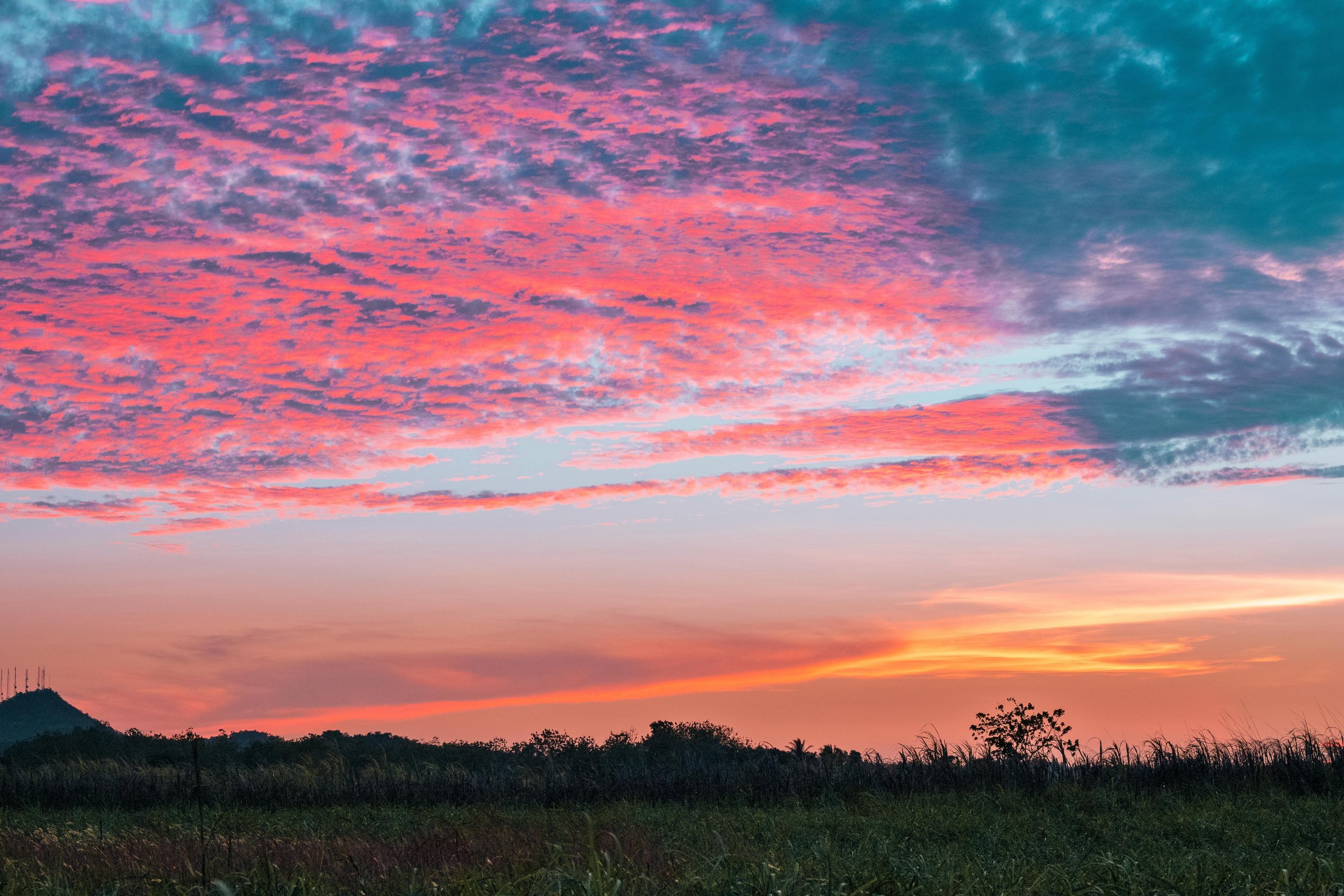
Understanding Costa Rica's Two Seasons
Here's where Costa Rica keeps things simple. There are only two seasons to worry about. Forget spring, summer, fall, and winter. In Costa Rica, you've got dry season (called verano, or "summer") and rainy season (called invierno, or "winter"). I know, it sounds backward, but stick with me.
Dry Season runs from December through April. This is when most tourists flock to Costa Rica. Honestly, it's easy to see why. The Pacific coast sees barely any rain. The skies stay blue for days on end. You can plan outdoor adventures without worrying about afternoon showers.
Rainy Season stretches from May to November. Locals prefer calling it the "green season" because, well, it sounds way more appealing. And they're not wrong. This is when Costa Rica transforms into an emerald paradise!
But here's what most travel guides won't tell you: the rainy season isn't this constant monsoon people imagine. Most days, you'll wake up to sunshine. You'll do your activities in the morning. Maybe you'll get a refreshing afternoon shower. Then you'll enjoy a clear evening. It's actually pretty predictable once you get the hang of it!
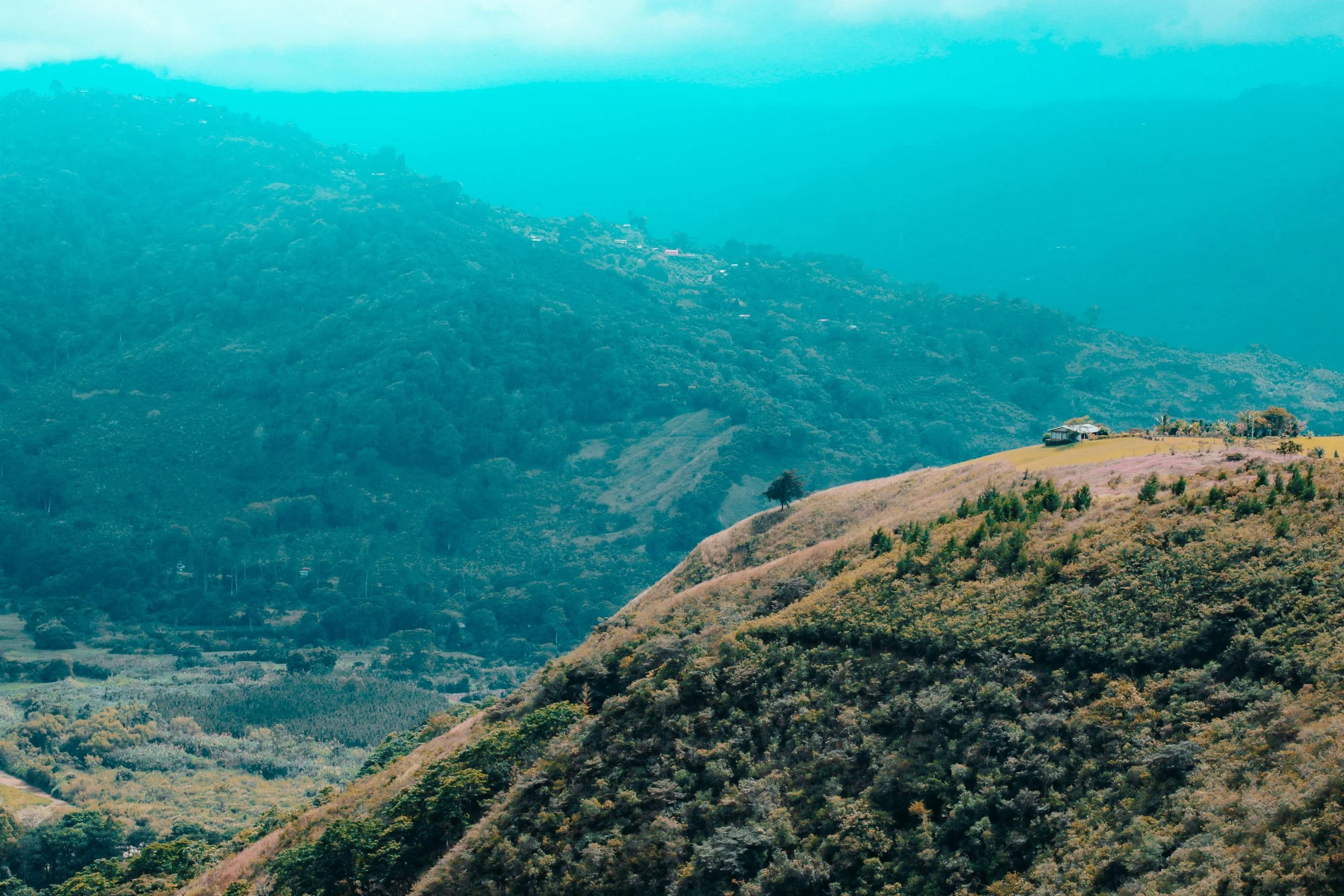
The Dry Season Deep Dive (December-April)
December: The Holiday Rush
December kicks off the high season with a bang. Christmas and New Year's bring peak crowds. They also bring peak prices to match. If you're booking for late December, do it months in advance. Seriously, like six months ahead if you want the good spots.
The weather? Gorgeous. Rain starts tapering off around mid-November. By December, you're looking at mostly sunny days across the country. Temperatures hover in the comfortable 70s to 80s°F. Though the coast can push into the 90s.
But here's the catch: December brings Costa Rican school holidays too. School's out from mid-December through early February. That means local families hit the beaches on weekends. This adds to the already-busy tourist scene.
January: Peak Season Paradise
January might just be the sweet spot for many travelers. The holiday surcharges from Christmas and New Year's have dropped. But the weather stays absolutely perfect. We're talking sunny, dry, and ideal for literally everything Costa Rica has to offer.
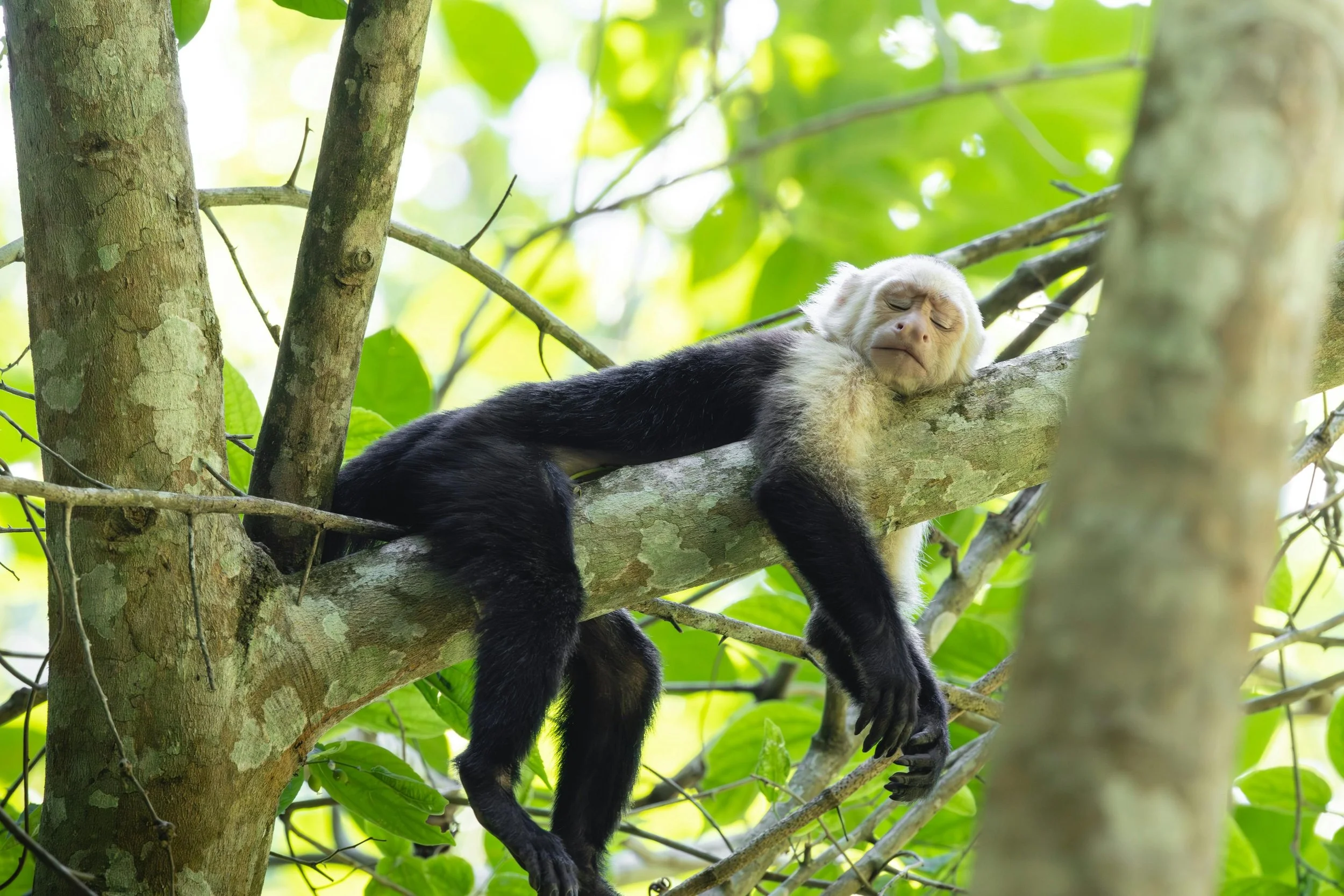
This is prime time for wildlife watching. The dry conditions mean animals congregate around water sources. They're easier to spot. Monkeys hang out in the sun instead of hiding from rain. Bird species that migrated for the season are still around. It's nature's showtime.
Crowds? Yeah, they're still there. You'll see them in Tamarindo, Manuel Antonio, and La Fortuna. But it's manageable. Honestly, the weather is so good you won't mind sharing the experience.
February: The Driest Month
If someone put a gun to my head and made me pick the single best month to visit Costa Rica, I'd probably say February. Here's why: it's the driest month of the year. It's like significantly drier than even January.
February brings those famous Papagayo winds to the northwest. That means breezy, dry conditions perfect for sailing and water sports. The Caribbean coast even dries out a bit compared to other months. You get more options.
Temperature-wise, it's not quite as scorching as March or April. You get that perfect balance of hot-but-not-too-hot. And while it's still high season, the crowds thin out slightly after mid-month. Costa Rican school holidays end then.
Downsides? It's not cheap. Popular destinations stay pretty busy, especially on weekends. Book ahead. Budget accordingly. You'll be fine.
March and April: Hot, Dry, and Thinning Crowds
March and April crank up the heat. We're talking 90s°F regularly on the coast. Sometimes it pushes into the high 90s in places like Guanacaste. It's legit hot. The kind of hot where you'll appreciate that afternoon pool time or beach break!
But here's the upside: fewer mosquitoes. Drier trails. Less humid air overall. If you don't mind the heat, these months offer some of the best conditions. You'll have great hiking and adventure activities!
April marks the tail end of dry season. You'll start seeing some afternoon showers pop up toward the end of the month. That's the transition to green season beginning. Easter week (Semana Santa) is huge in Costa Rica. It brings crowds and price spikes. Plan around it if you're trying to save money or avoid tourists!
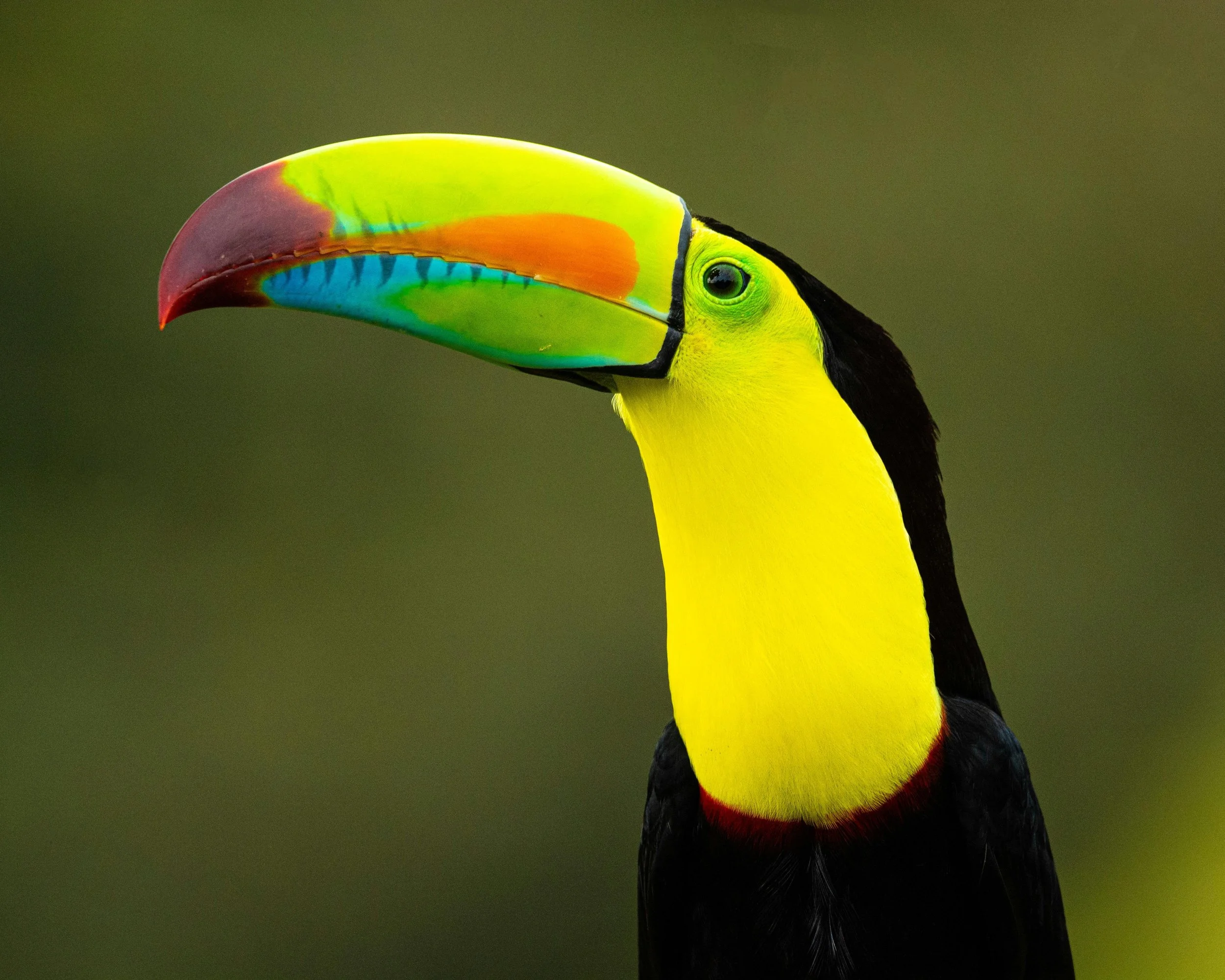
The Green Season Revealed (May-November)
May and June: The Shoulder Season Secret
Can I let you in on a secret? May and June are seriously underrated. Most tourists don't realize that these shoulder months offer the best of both worlds.
Here's what typically happens: mornings start sunny and beautiful. You do your zip-lining, hiking, or beach activities. Then around 2-4 PM, you get a refreshing rain shower. It lasts maybe an hour or two. Then it clears up again for evening. It's predictable. It's manageable. Honestly, it's kind of perfect for structuring your day.
The perks? Way fewer crowds. Hotel prices drop by 30-50%. Everything is lush and green from the first rains. National parks aren't packed. You can actually get last-minute reservations at popular restaurants. You'll feel more like you're experiencing authentic Costa Rica. Not tourist Costa Rica.
For surfers, May and June bring bigger Pacific swells. This is prime time for intermediate and advanced riders. The Caribbean coast also sees some of its best surf conditions.
July and August: The Little Summer
Here's something cool: Costa Rica gets what locals call "veranillo" or "little summer" in July. It's a brief dry spell that breaks up the rainy season. Rain decreases for a couple weeks. That makes July surprisingly nice for travel.
August brings families with school-age kids. It's summer vacation time in North America and Europe. The crowds pick up a bit. But nowhere near dry season levels. You're still getting those green season discounts. You get that lush, vibrant scenery.
This is peak time for whale watching on both coasts. Humpback whales from both hemispheres pass through Costa Rican waters. It's one of the best places on Earth to spot these gentle giants.
Sea turtle season is also in full swing. Green turtles nest on the Caribbean coast from June through November. July and August are prime viewing time at Tortuguero. On the Pacific side, olive ridleys and leatherbacks are also active.
September and October: The Wettest Months
Okay, let's be real: September and October are the wettest months to visit Costa Rica. They're the rainiest. They're the most challenging. I'm not going to sugarcoat it.
During these months, you're looking at prolonged, heavy rainfall. Roads can become muddy. They can become impassable, especially in remote areas. Some hotels and tour operators in rural regions close down completely. Others operate on limited schedules.
But here's the flip side: this is when Costa Rica is at its absolute cheapest. Hotels slash prices by 50% or more. You'll have beaches and attractions almost entirely to yourself. And if you're okay with planning around the weather, you can still have an amazing trip.
The Caribbean coast actually flips the script during this time. October is one of the driest months on the Caribbean side. That makes Puerto Viejo, Cahuita, and Tortuguero viable options. The Pacific is getting hammered.
November: The Transition Month
November is another shoulder season gem. Early November still sees significant rainfall. But by mid-to-late November, the rains start letting up. Dry season approaches.
This transition period offers serious advantages. You get green season pricing with improving weather. Tours and accommodations aren't fully booked yet. The landscape is still incredibly lush from months of rain. The skies begin clearing more consistently.
If you're flexible with your dates, aim for late November. You'll catch Costa Rica at its most affordable. You'll enjoy weather that's already starting to look like dry season!

Regional Weather Differences That Actually Matter
Here's something most guides gloss over but shouldn't: Costa Rica isn't one monolithic climate. Different regions follow different weather patterns. Understanding this can completely change your trip planning.
Pacific Coast
The Pacific coast follows the typical dry/rainy season pattern most clearly. Guanacaste in the northwest is the driest region in the entire country. It enjoys a solid six-month dry season from November through May. The central Pacific around Manuel Antonio gets a bit more rain. The southern Pacific near the Osa Peninsula is one of the wettest regions overall.
Caribbean Coast
The Caribbean marches to its own beat. Rain is more evenly distributed year-round here. There's no clear-cut dry season like the Pacific. The best weather? March-April and September-October. That's literally opposite from the Pacific side.
Mountains and Cloud Forests
Places like Monteverde stay cool and misty throughout the year. Even during "dry season," you'll encounter clouds, mist, and occasional rain. That's what makes it a cloud forest. December through April sees the least rain. But pack layers and rain gear no matter when you visit.
The Central Valley around San José enjoys pleasant, spring-like weather year-round. Temperatures sit in the 60s-70s°F.
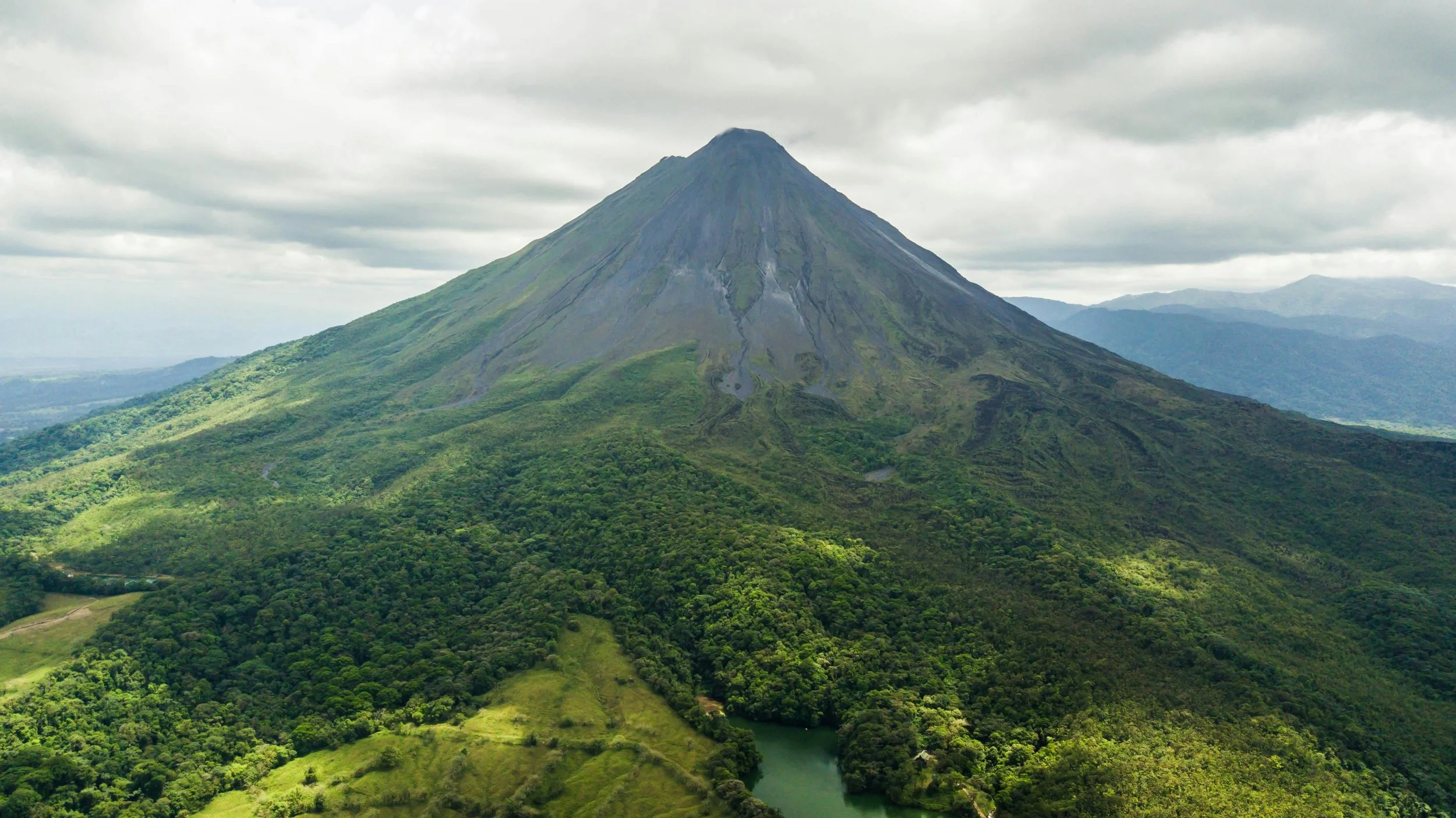
Month-by-Month Weather Breakdown
Let me give you the quick-reference guide you can actually use when planning:
January: Dry, sunny, busy, expensive. Perfect weather, peak crowds. Temps 70-88°F.
February: Driest month, still busy but slightly less than January. Best overall weather. Temps 68-90°F.
March: Hot and dry, crowds thinning. Great for beach activities. Temps 70-95°F.
April: Hottest month, end of dry season. Easter week brings crowds. Temps 73-96°F.
May: Transition month, morning sun with afternoon rain. Great value, fewer crowds. Temps 70-91°F.
June: Rainy but manageable, green and lush. Good surfing. Temps 71-89°F.
July: "Little summer" dry spell, families visiting. Whale and turtle season. Temps 71-90°F.
August: Similar to July, warm and wet but not terrible. Peak marine life viewing. Temps 71-90°F.
September: Very wet, especially Pacific side. Cheapest prices, smallest crowds. Temps 70-90°F.
October: Wettest month overall, many closures. Caribbean coast is actually nice. Temps 70-88°F.
November: Transition back to dry season, improving weather. Great deals. Temps 69-87°F.
December: Dry season returns, holiday crowds and prices. Popular and pleasant. Temps 68-89°F.
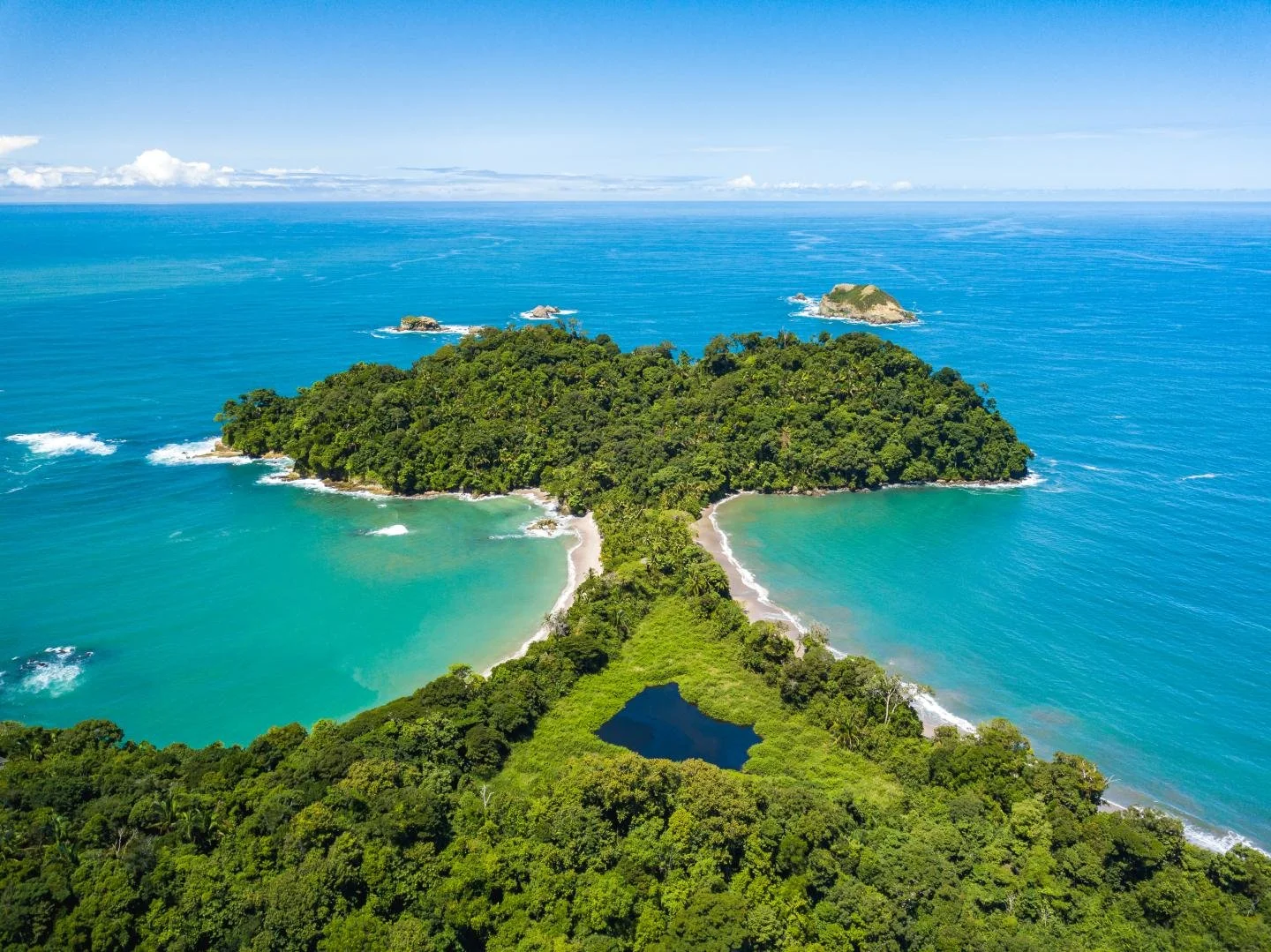
Best Time to Visit for Specific Activities
Beach Lovers and Swimmers
Best Time: December through April for guaranteed sunshine and calm Pacific waters. July-August also works well with the veranillo dry spell.
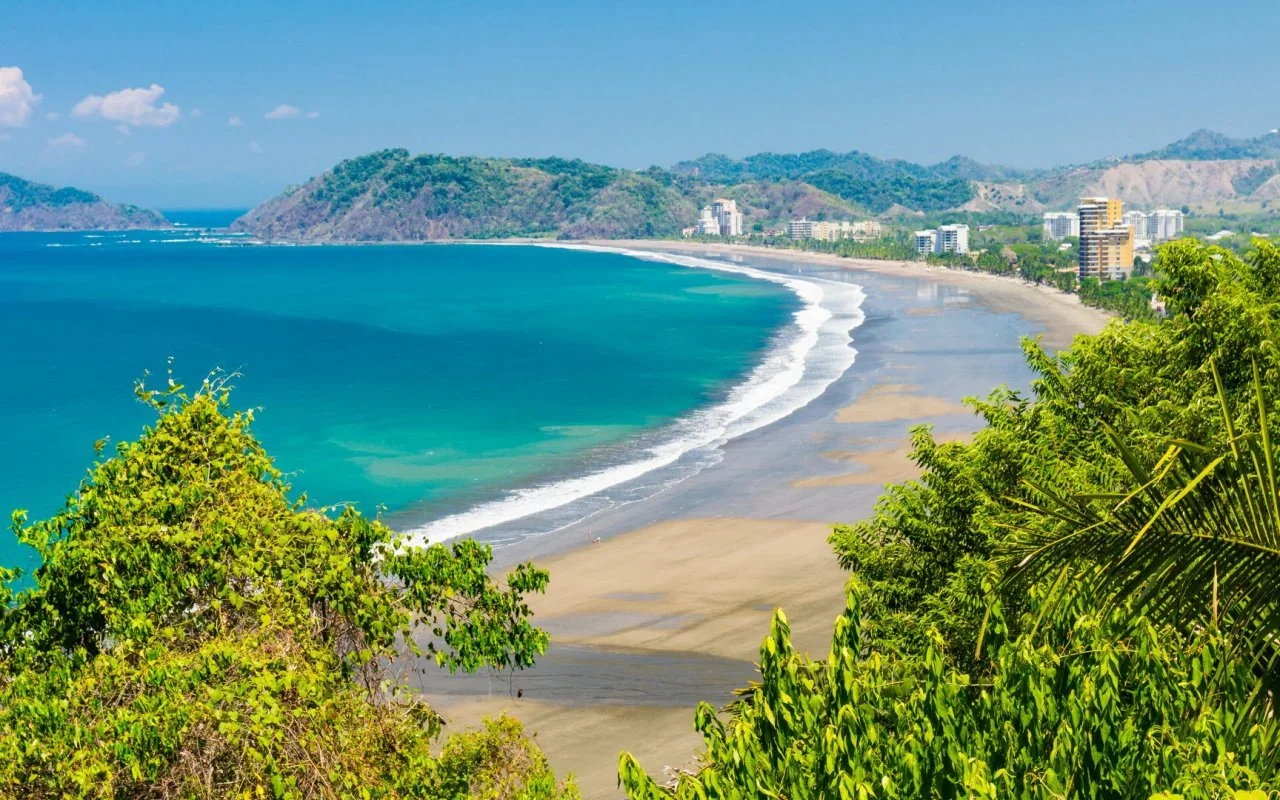
The Pacific coast beaches shine during dry season. Clear skies. Warm water. Gentle waves perfect for swimming. Guanacaste beaches like Tamarindo, Playa Conchal, and Samara are particularly gorgeous.
If you're hitting the Caribbean coast, aim for March-April or September-October. Conditions are driest then.
Surfers
Best Time: Depends on your skill level and preferred coast.
For big Pacific swells, visit May through November. Southwest swells light up breaks from Pavones to Witch's Rock. This is when advanced surfers score the best waves. June through September brings the biggest, most consistent surf.
Beginners should stick to dry season (December-May). Waves are smaller and more manageable. Tamarindo and Playa Grande offer mellow conditions perfect for learning.
The Caribbean coast works best November through March for surf. Spots like Salsa Brava and Playa Cocles get good swells.
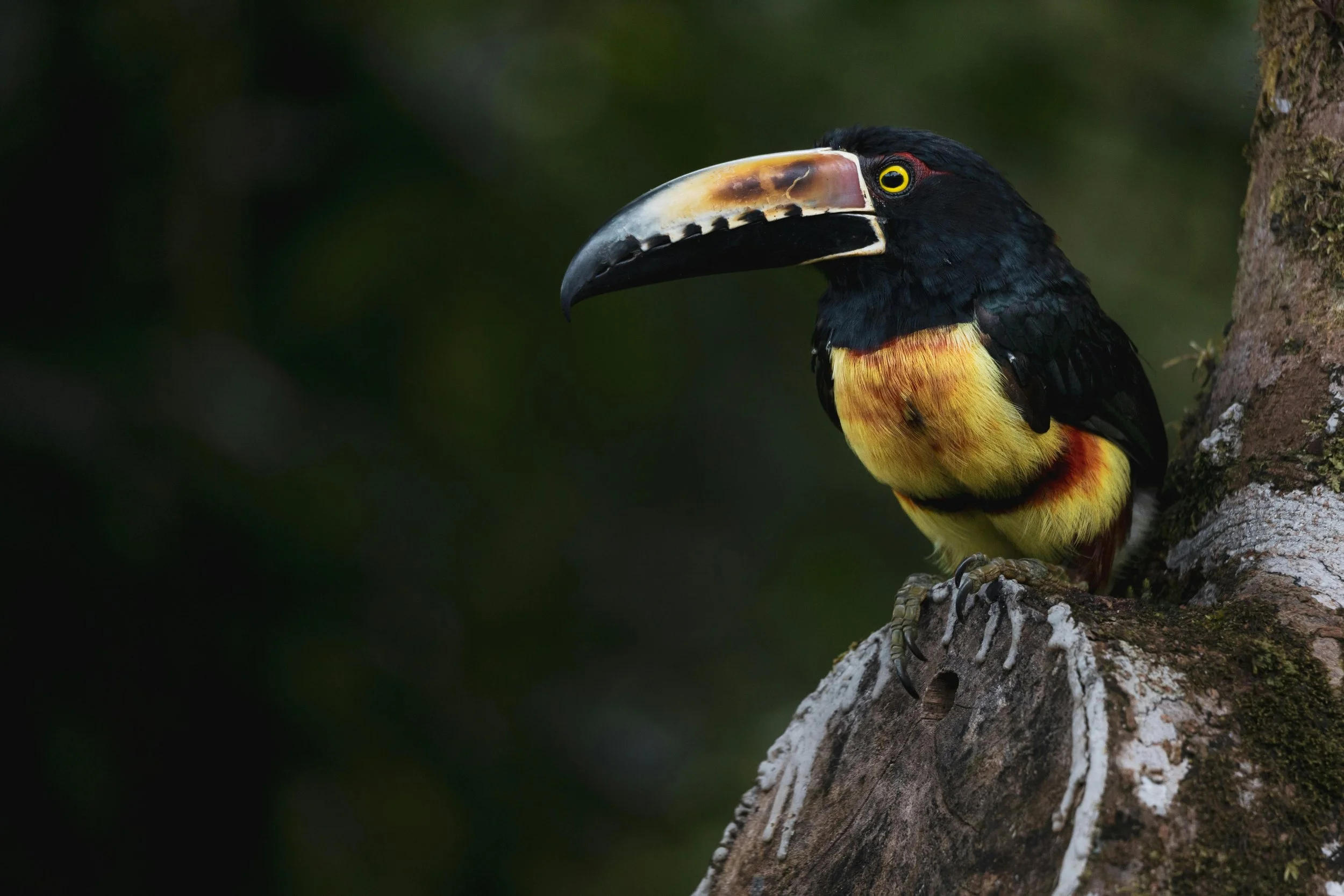
Wildlife Enthusiasts
Best Time: Dry season (December-April) for easiest viewing overall. But different species peak at different times.
Sloths, monkeys, and rainforest animals: Year-round. Dry season offers better trail access and visibility.
Sea turtles: March through November. It varies by species and location. Leatherbacks (February-June), green turtles (June-November), olive ridleys (arribadas in September-November).
Whales: Two seasons—December to April (California humpbacks) and July to November (Antarctic humpbacks).
Birds: December through April for resident species. October-November brings migratory birds.
Quetzals: Mid-February through July. They peak March-May in highland cloud forests.

Adventure Seekers (Hiking, Zip-lining, Rafting)
Best Time: December through April for consistently good conditions and dry trails.
Dry season means accessible trails. Less mud. Better visibility. Safer conditions for activities like waterfall rappelling and canopy tours. You won't be dodging afternoon thunderstorms during your sky tram ride.
That said, May-June and November offer nearly as good conditions. You'll get fewer crowds and better prices. That's if you're okay with possible afternoon showers.
For white water rafting, the rainy season (June-October) brings higher water levels. More exciting rapids await.
Budget Travelers
Best Time: September and October for rock-bottom prices. May-June or November for the best balance of good weather and affordability.
September and October offer the deepest discounts. We're talking 50% off hotels, cheaper flights, and green season tour rates. But you'll deal with significant rain and potential closures.
The sweet spot? Shoulder months of May, June, and November give you 30-40% savings. Compared to high season, weather stays decent. You can still do most activities. Accommodations are available without booking months ahead. You'll avoid the worst crowds.
Crowd Avoiders
Best Time: May-June, September-October, or November to escape the tourist masses.
The heaviest crowds hit from mid-December through April. Absolute peak times happen during Christmas/New Years (late December-early January) and Easter week (dates vary but typically March or April).
If you want to experience Costa Rica's popular spots without crowds, shoulder seasons are your friend. May and November give you accessible weather with far fewer tourists. Even June works well since school isn't out yet in many countries.
September and October are the emptiest. But weather becomes a real consideration.
How Long Should You Spend in Costa Rica?
Let's talk trip length for a minute. People always ask, "How many days do I need?" The honest answer is—it depends on what you want to see. But here's the breakdown.
Minimum recommended: 7-10 days. This gives you enough time to hit 2-3 destinations. You won't feel rushed. You could do Pacific coast beaches, Arenal volcano area, and maybe Monteverde cloud forest.
Ideal sweet spot: 10-14 days. Two weeks lets you explore both coasts. You'll see the major highlights. You can actually relax instead of just checking boxes. You'll cover volcanoes, rainforests, cloud forests, and beaches. You'll have time to breathe!
Extended trip: 3 weeks. With three weeks, you can dive deeper into remote areas like Corcovado. You can explore the Osa Peninsula. You can visit less-touristy Caribbean beaches. You can really immerse yourself in pura vida culture.
Weekend/short trip: 4-5 days. If you're US-based and just want a quick escape, you can hit one or two main areas. Focus on either beach + volcano. Or pick a single region and explore it thoroughly. Don't try to see everything.
Remember, Costa Rica is about the size of West Virginia or Wales. It looks small on a map. But driving takes time. The roads wind through mountains. Some surfaces are unpaved. Traffic moves slow. Factor in at least 30 minutes to an hour more than GPS says. Do this for any drive!
Festivals and Events Throughout the Year
Want to time your visit around Costa Rican culture? Here are the major festivals and events worth considering:
January: Fiestas de Palmares (first two weeks). It's the longest party of the year. You'll find concerts, rodeos, carnival rides, and loads of beer!
February: Puntarenas Carnival. It's a coastal celebration with parades, music, and beach vibes!
March: Boyero Day in Escazú. It celebrates traditional oxcart drivers with colorfully painted carts.
March/April (dates vary): Semana Santa (Holy Week/Easter). You'll see solemn processions mixed with beach parties. Expect crowds and closures.
April: International Festival of Arts in San José. Over 2,000 artists showcase theater, music, dance, and more!
August 2: Virgen de Los Angeles Day. It's a national holiday with pilgrimage to Cartago. Many people walk from San José.
September 15: Independence Day. You'll see big celebrations nationwide with parades and patriotic events!
October 12: Carnival in Limón. It's a 12-day Caribbean culture celebration with costumes, dancing, and street parties.
December 25-31: Las Fiestas de Zapote in San José suburb. You'll see Costa Rican-style rodeos, concerts, and celebrations!
What About Hurricanes and Tropical Storms?
I get asked this constantly: "Are hurricanes a problem in Costa Rica?" Short answer: not really. But let me explain.
Costa Rica rarely gets direct hurricane hits. Like, almost never. In over 170 years of weather records, only Hurricane Otto in 2016 has made landfall with hurricane-force winds. The country's location near the equator makes it tough for hurricanes to form or maintain strength.
However, nearby hurricanes can bring heavy rain and flooding. This especially affects the Caribbean coast and northern regions. Hurricane season runs June 1 through November 30. September and October are peak months for potential impacts.
What you might encounter are tropical storms, flash flooding, and landslides during the rainy season. These are more about safety and road conditions than anything else. If you're visiting September or October, keep an eye on weather forecasts. Stay flexible with your plans!
The government has solid emergency response systems in place. Hotels and tour operators closely monitor conditions. You're far more likely to deal with afternoon rain showers. You won't encounter any tropical storm situation.
Packing for Different Seasons
Your packing list should absolutely change based on when you visit. Let me break down the essentials.
Dry Season Packing (December-April)
Lightweight, breathable clothing (it gets HOT)
Reef-safe sunscreen (seriously, protect those corals)
Hat and sunglasses
Light rain jacket (occasional showers still happen)
Hiking sandals or closed-toe shoes for trails
Swimsuit (obviously)
Insect repellent
Layers for higher elevations like Monteverde
Rainy Season Packing (May-November)
Waterproof rain jacket (shell-style with armpit vents works best)
Quick-dry clothing (moisture-wicking fabrics are your friend)
Waterproof backpack or dry bag (protect your electronics)
Water-resistant hiking shoes or waterproof sandals
Microfiber towel (dries fast in humid conditions)
Waterproof phone case
Plastic bags or Ziplocs for extra electronics protection
Extra clothing layers (things don't dry as fast)
Same sunscreen and bug spray as dry season
Year-Round Essentials
Refillable water bottle
First aid kit
Flashlight or headlamp
Power adapter (Costa Rica uses US-style plugs)
Copies of important documents
Cash (small bills, many places don't take cards)
Pro tip: even in dry season, pack that rain jacket. Even in rainy season, pack sunscreen. Costa Rica's weather can surprise you!

Common Mistakes to Avoid
Let me save you from some rookie errors I see travelers make constantly:
Underestimating driving times. Always add 30-60 minutes to what GPS says. Roads are curvy, slow, and full of trucks.
Not booking ahead during high season. December through April sells out fast. We're talking months in advance fast.
Trying to see too much. Costa Rica looks small. But traveling takes time. Pick 2-3 regions max for a week-long trip.
Using Uber or unlicensed taxis. Uber is illegal in Costa Rica. Use official red taxis (orange at airports) with yellow triangles on the side.
Not researching car rental insurance. It's required and expensive. Factor it into your budget.
Forgetting about Costa Rican holidays. Semana Santa and Christmas mean crowds, closed businesses, and higher prices.
Ignoring regional weather differences. The Caribbean and Pacific follow different patterns.
Not bringing appropriate gear for rainy season. One ruined camera or soaked backpack will teach you this lesson the hard way.
Assuming everywhere has ATMs and takes cards. Remote beach towns and national parks are often cash-only.
Frequently Asked Questions
What is the cheapest time to visit Costa Rica?
September and October are the absolute cheapest months. Hotel prices drop 40-50% below average. However, these are also the wettest months. For a better balance of value and weather, aim for May, June, or November. Prices are 30-40% lower than high season. Conditions remain decent!
When is Costa Rica least crowded?
September and October see the fewest tourists by far. It's peak rainy season. May, June, and November offer significantly smaller crowds than dry season. Weather stays more manageable.
Is the rainy season really that bad?
No, it's actually pretty manageable. Most days follow a pattern of sunny mornings, afternoon showers (1-3 hours), and clear evenings. You can still do activities. Just plan them for mornings. September and October are legitimately very wet. But May-August and November aren't nearly as rainy as people imagine.
What's the best month to visit Costa Rica overall?
February is probably the single best month if weather is your top priority. It's the driest month with perfect temperatures and full sunny days. But "best" depends on your priorities. January and March are also excellent for weather. May and November offer the best value. July works great for families!
When should I avoid Costa Rica?
If you need guaranteed dry weather and can't handle rain, avoid September and October. If you hate crowds and high prices, skip late December through early January and Easter week. But honestly, every month has something going for it. It depends on what you want.
Can you swim in Costa Rica year-round?
Absolutely. Water temperatures stay warm (75-85°F) all year on both coasts. The main difference is air temperature. Or whether you'll get rained on. It's not water temperature. Dry season offers calmer Pacific waters. Rainy season can bring bigger surf.
How far in advance should I book?
For dry season (especially December-April), book hotels and rental cars 2-4 months ahead minimum. Book 6 months for Christmas/Easter. Rainy season offers much more flexibility. You can often book just weeks or even days ahead.
Is Costa Rica better in January or February?
Both are excellent. But February edges ahead slightly. It's drier overall. It's slightly less crowded after mid-month when Costa Rican school holidays end. It doesn't have the New Year's price surcharges of early January. January is still fantastic though. Don't stress over this choice too much!
What's the rainiest month in Costa Rica?
October typically wins the title of rainiest month. September follows closely behind. These months see prolonged heavy rainfall, especially on the Pacific side. Some remote areas become difficult to access.
When is turtle season in Costa Rica?
It varies by species and location. Leatherbacks nest February-June. Green turtles nest June-November. Olive ridleys nest September-November for the arribada phenomenon. Tortuguero on the Caribbean coast is best July-October for greens. The Pacific coast offers multiple species throughout most of the year!

So, When Should YOU Go?
After all that information, let's bring it home. When should you visit Costa Rica? Here's my honest take:
Visit December through April if you:
Want guaranteed sunshine and dry weather
Don't mind crowds and higher prices
Need reliable conditions for photography or special events
Are planning a honeymoon or bucket-list trip
Can book well in advance
Visit May, June, or November if you:
Want a balance of decent weather and good value
Prefer fewer crowds at popular spots
Are flexible with afternoon activities due to rain
Care more about authentic experiences than perfect weather
Want to see Costa Rica at its greenest
Visit July or August if you:
Are traveling with school-age kids on summer break
Want to see whales and sea turtles
Don't mind rain as long as mornings are usually clear
Want to surf bigger waves
Can handle heat and humidity
Visit September or October if you:
Are on a serious budget
Don't mind significant rain
Want beaches and trails to yourself
Can be flexible with plans due to weather
Are targeting the Caribbean coast (October)
Look, there's no objectively "wrong" time to visit Costa Rica. I've had incredible trips in February. I've had equally amazing adventures in June. The key is matching the season to YOUR priorities. Whether that's weather, budget, crowds, or specific activities!
Costa Rica's magic isn't confined to any particular month. The wildlife exists year-round. The friendly Ticos are always there. The incredible biodiversity never changes. The pura vida lifestyle stays constant. The seasons just flavor the experience differently!
So pick your dates based on what matters most to you. Pack accordingly! Keep an open mind. Get ready for an unforgettable adventure. Because honestly? No matter when you visit Costa Rica, you're in for something special. The country has a way of exceeding expectations. That's true whether the sun is shining or the rain is falling!
Now stop overthinking it. Book that trip. Get ready to experience one of the most beautiful countries on Earth. Pura vida awaits, my friend!
Become a Travel Professional for Only $99
Turn your love of travel into extra income from home!
Join Now